

The Basics of Happiness: A Foundation for Lasting Joy

Here are four simple pillars of happiness that help create a foundation for lasting joy:
1. Good Sleep: The Power of Rest
Sleep is one of the most underestimated components of happiness. A well-rested body and mind can handle challenges with greater ease, creativity, and patience. Quality sleep not only rejuvenates our physical body but also plays a crucial role in balancing our emotions. Consistently getting 7-9 hours of restful sleep allows our brain to process the events of the day and resets us for the next. Instead of chasing after shortcuts like caffeine or stimulants to boost energy, prioritize your sleep routine.
Simple changes like a regular bedtime, limiting screen time before bed, and creating a peaceful sleep environment can make a world of difference.
2. Nutritious Food: Fuel for the Body and Soul
We’ve all heard the phrase “you are what you eat.” And it’s true—food has a direct impact on our mood, energy levels, and overall sense of well-being. A balanced diet rich in whole, nutritious foods gives our body the fuel it needs to function optimally.
Eating healthy doesn’t mean restrictive diets or counting calories. It means being mindful of what makes you feel good over time. Fresh fruits and vegetables, whole grains, lean proteins, and healthy fats work in harmony to energize your body and stabilize your mood. When we nourish ourselves properly, we feel more grounded, focused, and happy.
3. Feeling Grounded: Finding Peace Within
In our fast-paced lives, it’s easy to feel unbalanced, like we’re constantly rushing from one thing to the next. But happiness often comes from a sense of being grounded—feeling connected to yourself and your surroundings. Grounding practices like meditation, yoga, or simply spending time in nature can help bring a sense of calm to our busy minds.
It’s not about adding another task to your to-do list but about finding moments of stillness and presence throughout your day. Whether it’s a morning walk, breathing exercises, or a few moments of quiet reflection, grounding helps you reconnect with yourself and find peace amidst the chaos.
4. Meaningful Connections: The Heart of Happiness
Human beings are wired for connection. While material possessions can provide momentary pleasure, it’s our relationships that bring lasting joy. Whether it’s with family, friends, or a partner, having meaningful connections nurtures our sense of belonging and helps us feel understood.
Take time to nurture the relationships that matter to you. Share moments of laughter, be present when you’re with loved ones, and cultivate deeper conversations. A simple coffee with a friend or a heartfelt conversation can do wonders for your happiness, far more than scrolling through social media or pursuing temporary distractions.
Conclusion: There Are No Quick Fixes
Happiness isn’t found in a quick fix—it’s built over time through small, intentional choices. The basics like good sleep, nourishing food, grounding practices, and meaningful connections are the true foundation of joy. By focusing on these simple habits, you’ll create a happier, more balanced life that sustains you for the long run.
So, take a step back from the chase for instant happiness. Slow down, connect with yourself, and nurture the things that matter most. Happiness, after all, is in the basics. to edit.
Nurturing Growth and Positivity: The Power of Appreciative Inquiry in Yoga Businesses
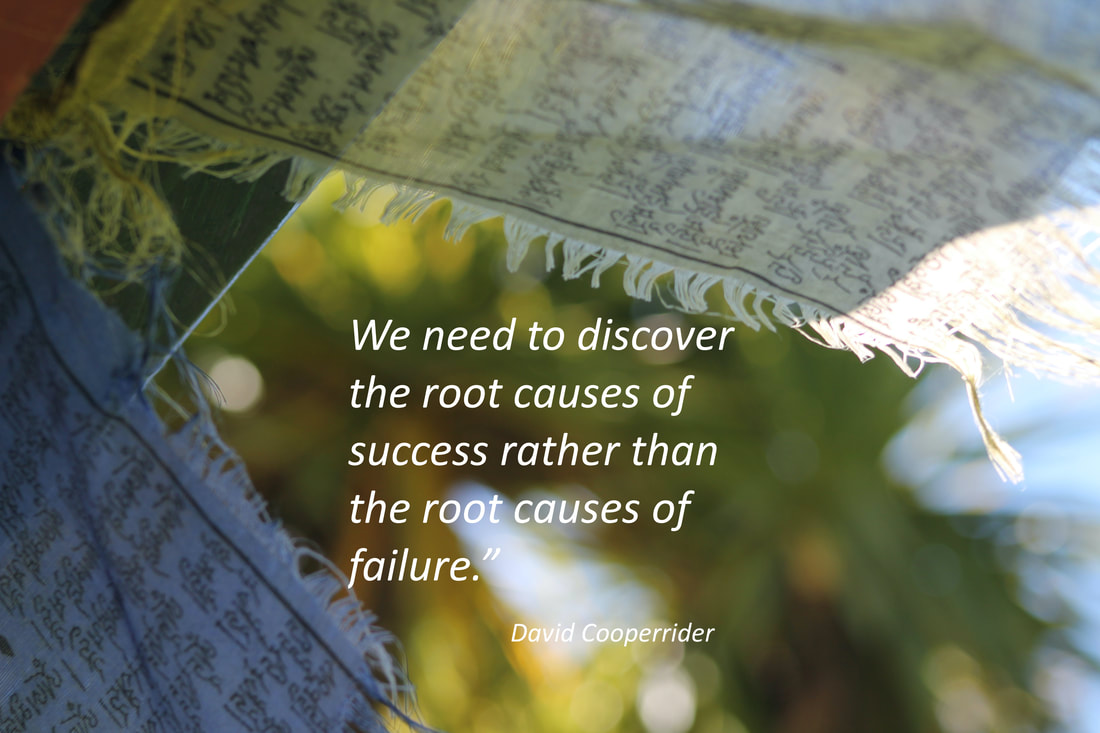
The simple part is that appreciative inquiry is all about positivity. Focusing on what your organisation is doing right and then building on these strengths. Sounds sensible and logical?
OK then, but here comes the slightly scary bit. With appreciative enquiry, the “problems” in your organisation are effectively ignored – the principle being that if you do more of the things you are good at, the problems will sort themselves out. Put another way, appreciative inquiry suggests that you can create change by paying attention to what you want rather than paying attention to problems.
People find this part a little scary because we are used to solving problems. We like to fix things.
A great example of appreciative inquiry comes in the context of staff culture surveys. You know – the kind that ask you how much you like your working environment, how much you rate your managers and colleagues, whether you understand your organisation’s mission, how well managers communicate with staff etc. In most places I have worked, teams generally then get set up to “solve” the top ranking “concerns” from survey results. They huddle, work out an approach, implement a set of actions and report back to staff. Commendable and well meaning.
But appreciative inquiry turns that thinking on its head and says – instead of focusing on problems you should focus on the top ranking survey outcomes. So for instance if staff like the monthly “all hands” meeting with the CEO, think about how you can do that even better. Or if the way the organisation communicates with its customers is admired, think about how you can improve that another notch.
Using Appreciative Enquiry in a yoga business – a practical example
- Discovery Phase: Conducts interviews and surveys to identify positive aspects. Learns that certain classes receive consistently positive feedback, people love the centre’s environmental credentials and there’s a strong sense of community among long-time attendees.
- Identify Themes and Strengths: Recognizes that the positive feedback revolves around specific instructors, the community atmosphere, and the mindfulness-focused classes.
- Dream Phase: Involves instructors, staff, and practitioners in envisioning the ideal future. Participants express a desire for more events fostering community engagement, additional meditation classes, and more focus on organics.
- Design and Planning: Develops a plan to enhance community engagement by introducing monthly potluck dinners, creating themed classes, and investing in organic gardens. Offers professional development for instructors to further improve teaching skills.
- Implementation: Rolls out initiatives systematically. The studio introduces monthly community events, diversified class formats, and more organic vegetable gardens. Instructors attend workshops to refine their skills.
- Feedback and Reflection: Regularly collects feedback through surveys and open forums. Adjustments are made based on feedback, and positive experiences are highlighted within the community.
- Ongoing Improvement: Maintains a culture of positivity and continuous improvement. Regularly revisits and refines initiatives based on feedback and emerging opportunities.

In the realm of yoga business, embracing Appreciative Inquiry offers a refreshing departure from deficit-based thinking. By focusing on strengths, fostering positivity, and empowering both instructors and students, AI provides a roadmap for sustainable growth and success. As the yoga community continues to expand and evolve, a foundation built on appreciation and positivity ensures that the business not only survives but thrives in the ever-changing landscape of wellness entrepreneurship.
Why yogis are such great planners
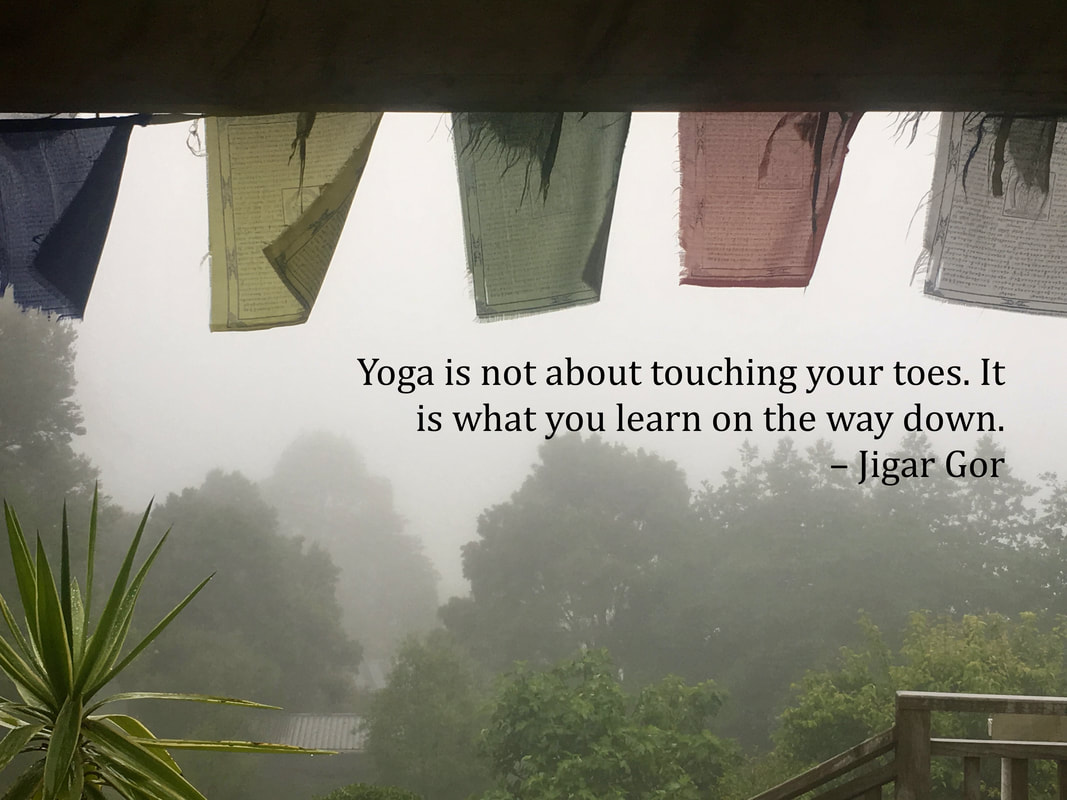
I am fortunate enough to be a volunteer Director for a yoga centre in Golden Bay, New Zealand. I have a business background and am helping the ashram operate on the admin side.
Yoga centres are usually wonderful places – full of kind people, energising practices and an atmosphere of tranquillity and calm. We don’t often think of them as businesses, but they most certainly are. Rates and insurance need to be paid, food and equipment purchased and staff paid.
Money needs to be coming in the door on a regular basis and that is usually from a combination of classes and (mostly in the case of my centre) retreats. Planning is critical to running a retreat centre. Attendees often make decisions and take leave from their work weeks or months in advance. Accommodation needs to be ready, food purchased, teachers prepared etc etc.
It was with some trepidation when we sat down to plan our year as I intended to start the conversation by talking about planning principles. Hugely important when you plan stuff – they help focus on what we want and avoiding what we don’t. I wasn’t sure how my fellow yogis would respond to this added step. But now . . . we have come up with, in my humble opinion, the best set of planning principles I have seen in more than thirty years of corporate life.
And here they are:
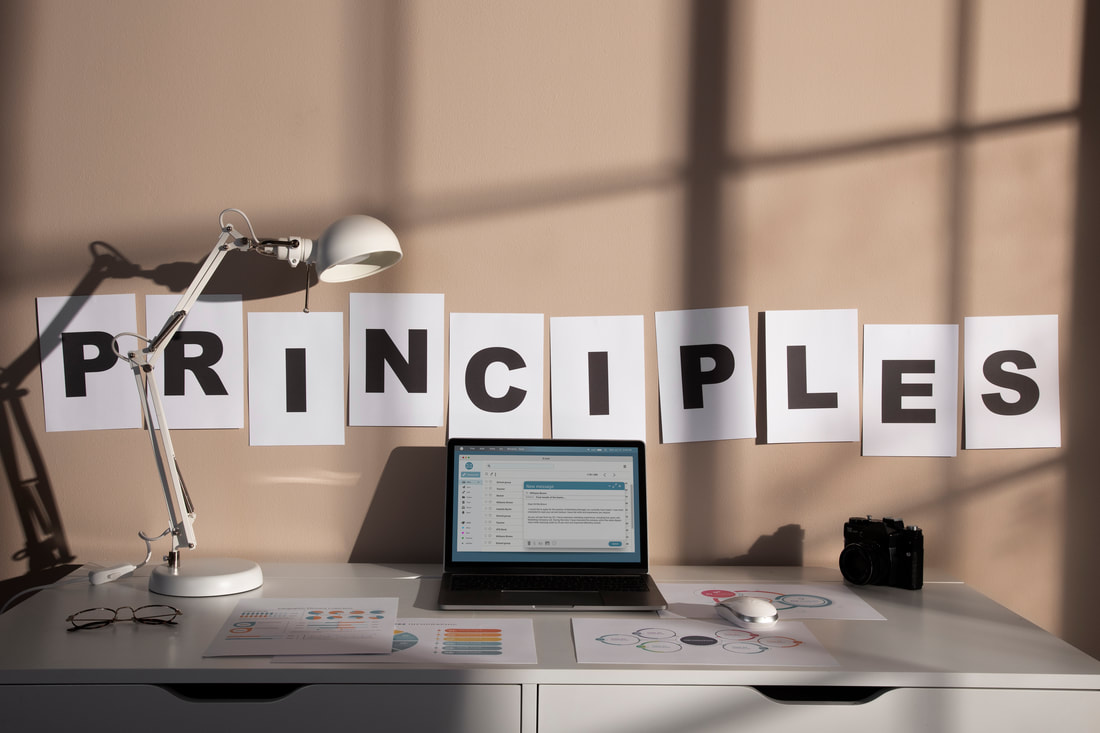
Our principles for abundance . . .discipline is the bedrock that supports our planning – leading to a conscious, abundant and sustainable way of life. Living with clarity. Living with ease.
Intention drives what we do: Everything in our planning supports what we stands for – our vision, objectives and ethics.
- Reward inspires effort:We know that every planning decision we make will result in effort. We honour that effort by consciously understanding and having confidence in the greater reward that follows.
- We honour our plan by follow through:A plan is nothing without action. We follow through with what we say we are going to do.
- Energy is nurtured and balanced:We understand the way that energy flows during our gatherings – and therefore we consciously plan to achieve balance between what we give and receive.
- Pauses for sustainability:We consciously plan gaps between events and we recognise spiritual holidays. Supporting those who hold space to rest, recharge, reflect and prepare. Supporting the land. Supporting our buildings and facilities.
- Our plan lives and breathes:We keep our plan alive by regularly reviewing and updating. Continuously learning from what went well and from what didn’t.
- We have belief and trust:We are proud of what we have achieved and feel positive about our future. By honouring these disciplines we have belief and trust that things will unfold as they are meant to be.

They mean something to them. They respond to mistakes in the past, they open us up to a new way of doing things and they honour our values and purpose. Even the way they are written is important – put up a set of Harvard Business School planning principles and they will mean nothing.
I’m proud to say our planning went so much better once we had agreed our principles. Are we perfect planners now? No . . . but we are more content ones . . .
The power of regularity . . .
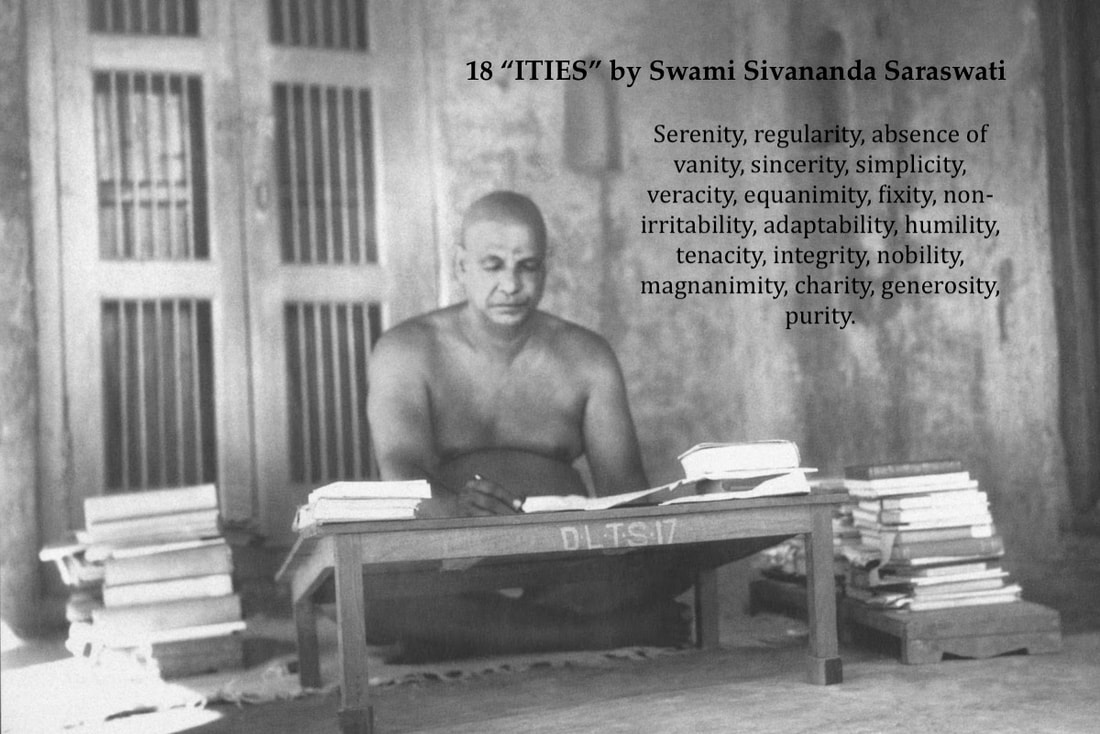
Serenity, Regularity, Absence of Vanity, Sincerity, Simplicity, Veracity, Equanimity, Fixity, Non-Irritability, Adaptability, Humility, Tenacity, Integrity, Nobility, Magnanimity, Charity, Generosity and Purity
Not a bad list when you think about it . . . Anyway, for our first week we chose “Regularity”. Actually it was me that chose it, maybe reflecting on my instinctive personality and the way that I often go through a day bouncing from one idea to the next. I like that about myself, but sometimes life can seem a little frenetic and not particularly grounding.
So this week we decided to do 20 minutes of housework straight after breakfast. We aren’t messy people but our house doesn’t always feel tidy and welcoming. We tend to do our cleaning in chunks, when we feel like it. That activity sometimes feels exhausting and there isn’t often much enthusiasm for the next time. So the idea is to knock off our cleaning requirements in small, regular, bite-sized chunks.
There is a reason, by the way, in how we chose to express our new regular activity. And that has to do with habit forming.
I have been listening to an audio version of Atomic Habits by James Clear. He talks about a past research project which dealt with improving people’s health outcomes through fitness.
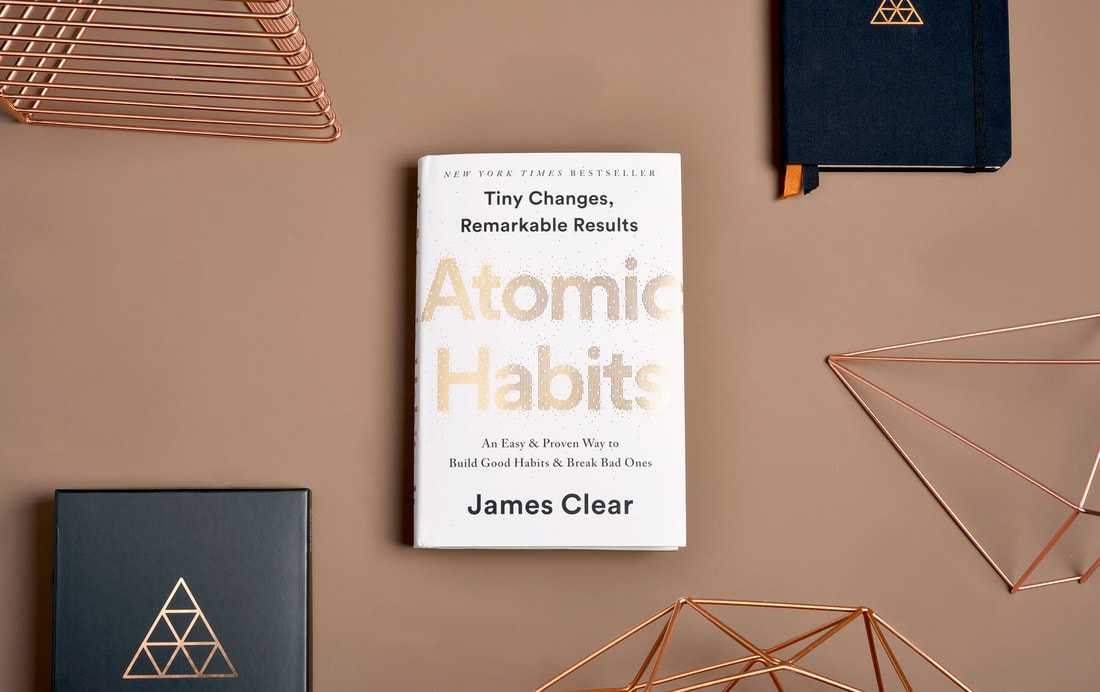
The first group averaged 30-40% success at exercising at least once per week, much the same as the second group which suggested that the additional motivation had little effect. The third group significantly out-performed the others with close to 90% undertaking a regular weekly exercise routine.
So creating a tangible intention is an important factor in habit forming. After breakfast, at our home, 20 minutes. And its worked . . .
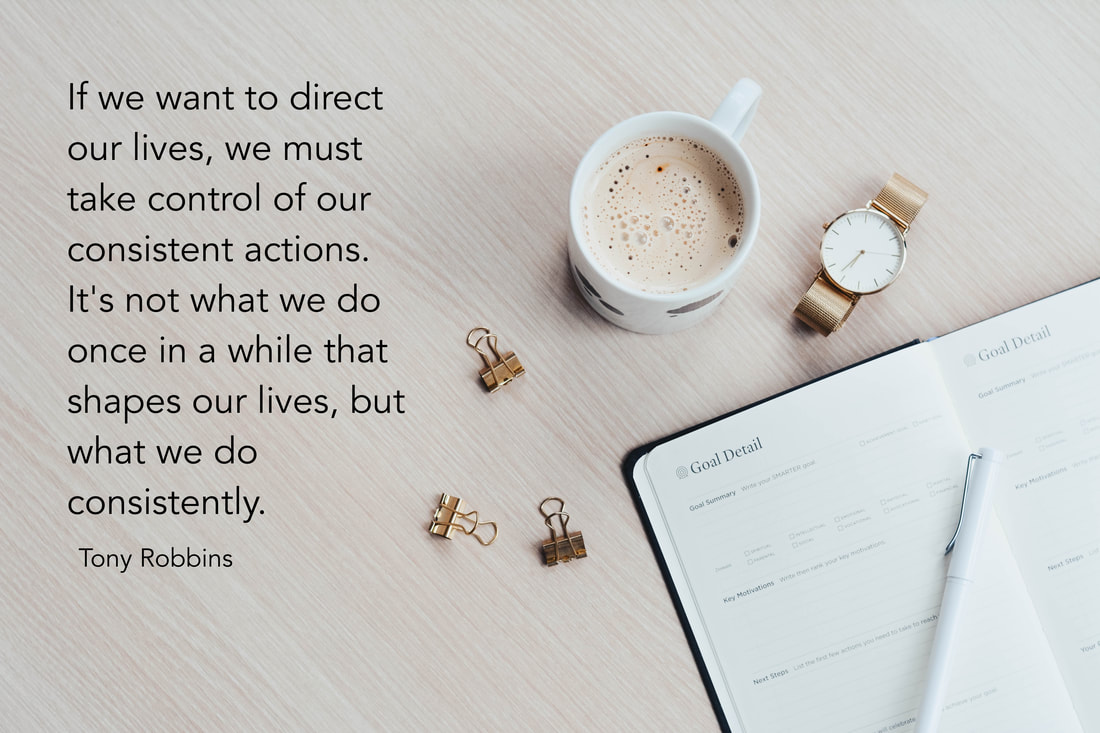
Maintaining regular healthy habits (and also importantly reducing unhealthy ones) has many reported benefits. Coping better with stress, improved focus, more energy to name just a few. I like what Tony Robbins has to say:
In essence, if we want to direct our lives, we must take control of our consistent actions. It’s not what we do once in a while that shapes our lives, but what we do consistently.
Mindfulness and a single raisin

Wikipedia, in their dry but admittedly learned way, defines mindfulness as the intentional, accepting and non-judgemental focus of one’s attention on the emotions, thoughts and sensations occurring in the present moment.
And there you have it, in those last three Wikipedia generated words. “In the present moment”. That, to me, is mindfulness explained.

Dr. Jon Kabat-Zinn developed Mindfulness-Based Stress Reduction at the University of Massachusetts Medical Center for patients suffering from pain. He came up with an incredibly simple but effective exercise, which anyone can try to experience mindfulness. If you have five minutes right now – all you need is a raisin and a quiet space to sit.
The idea is that you place a raisin in your hand. The thing most of us would do next is to pop into our mouths and move onto the next thing. But no, not this time. Your job is to observe it. Juts look and see the texture, the bumps, the colour, and the glossiness. Bring it to your nose and smell it. How does it feel in your hand? Now place it into your mouth and swirl it around. Can you feel the texture with your tongue? Chew just once, and observe the very first taste. Take your time and eventually chew some more before swallowing. Keep sitting and think about how your body feels with the raisin now ingested.
Well done. You have now experienced mindfulness. And now imagine what your life would be like if you employed this behaviour more often? At work when listening to a colleague, experience observing their face, their lips, and their body movements. At home, sit on the couch without turning the television or radio on and just observe for five minutes. Listen to the sound of the world around you, the feel of the couch, the smells in the air and the cadence of your own breath.
So wherever you are or whatever your situation in life, I am wondering if you can commit to an act of mindfulness. Each day for a week. And then observe how you feel.
I am betting you will never look at a raisin the same way again . . .
How I put a rocket ship under my creativity . . .
Sure I felt active but when I really thought about how I spent each day, I realised I was really treading water. Doing the same things that I had enjoyed five years previously – admittedly different subject matter but essentially little change . . . I was in my comfort zone. Doing things I knew and understood. Day after day. I felt that if I took no assertive action to change things, my life would roll on and in five years-time, I would find myself in exactly the same place.
I realised what had really gone missing was my creative mojo . . .
It was about this time I heard of a new system to boost creativity – developed by Julia Cameron called “The Artists Way”. Actually it wasn’t so new, the book being written back in 1992. Originally turned down by a book publisher, Julia Cameron published the book herself – typing, photocopying and selling through a local bookstore. It has now sold millions of copies worldwide and is in the top one hundred self-help books of all time. Well how about that for believing in yourself?
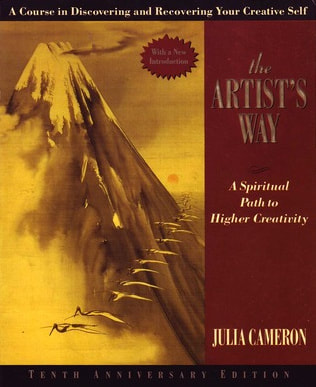

The book contains instructions and assistance to run your own personal 12 week course – designed to reawaken your creative talent. Identifying and dealing with the blockages we all have that get in the way of being heart thumpingly creative. Elizabeth Gilbert apparently said that without the Artists Way there would have been no “Eat Pray, Love”. Crikey – I think the tourism industry in Ubud, Bali also owe Julia Cameron a beer or two in that case . . .
So what did I learn? Well I learnt to put aside my fear that I couldn’t do stuff. Letting perfection get in the way of just giving something a go. I love this quote from Julia Cameron . .
I have learned, as a rule of thumb, never to ask whether you can do something. Say, instead, that you are doing it. Then fasten your seatbelt. The most remarkable things follow.
But perhaps my biggest breakthrough was to unblock my hesitancy in writing. My habit of creating a sentence, re-reading it, correcting, changing, writing the next sentence re-reading, correcting . . . and so on. One of the daily exercises, and I mean every day, was journal writing. You are required to write (and I mean handwrite) three pages every morning, as soon as you awake.

Well after three months it sure cured my writers block – I find I now write more naturally and with a flow that better connects my thoughts and ideas. In short, I now found myself enjoying an exercise I had previously anguished over.
If you find yourself in a creative slump, think about giving the Artists Way a go – it may be the cheapest three month course you have even undertaken – and just possibly the most powerful.
We have enough – we always have and we always will . . .
It got me thinking about all the stuff in our house we had packed up and waiting for us on our return. The boxes of stuff in the attic, possessions in the garage, tools, kitchen utensils, pictures, furniture. Did we really need it all, and why did we buy it in the first place?
Being and feeling happy is important to me. I guess for a lot of other people too. But what does happiness mean, how do we get it and how do we know if we have got there . . . ? I went through a lengthy stage in my life searching for happiness and doing that by, among other things, trying new experiences and buying stuff. Books, “finding myself” trips, listening to podcasts, exercise, a new bike (or two). I worked really hard on myself, but somehow it just didn’t seem to be enough.
“Be thankful for what you have; you’ll end up having more. If you concentrate on what you don’t have, you never, ever have enough”. Oprah Winfrey.
I realised that my search had progressed externally – looking for answers in the world around me. I was surrounded by information. It was sometimes too much – I felt disempowered and wondered when or how I was final going to achieve my goal of true happiness. I felt I was an intelligent person, kind, compassionate and a hard worker. So maybe I just needed to work harder . . . ?
My 12 months away of course taught me something, even if it took me a while to realise. With all my possessions stored on a pack on my back I had abundance. I of course had a hotel roof over my head each night and enough money to feed and live day-to-day – but I didn’t need a houseful of stuff to feel happy. Aside from revelling in my new minimalist lifestyle, I learnt:
- To say yes more often: During my year of saying yes I found myself doing and enjoying things that previously would have scared me.
- It feels great to feel calm: I set out to give yoga more of a go on our trip, and I now definitely feel a calmer person. I feel, notice things and listen better than I used to and my sleeps have improved.
- To take my time: I enjoyed things more when we set down roots in a place, observed the local life and generally blended into to the neighbourhood. Tourism, for me, shouldn’t be about “ticking” off sights and experiences . . .

Nine characteristics of those who live to 100 – Lessons from the Blue Zone

Blue Zones are regions in the world where people live much longer than average and explored by Dan Buettner, author of “The Blue Zones: Lessons for Living Longer from the People Who’ve Lived the Longest”.
Five regions are identified – Sardinia, the islands of Okinawa in Japan, Lomá Linda in Californian, the Nicoya Peninsula in Costa Rica and Icaria in Greece. People identified in these regions somehow exhibit a fraction of the diseases that kill other people and generally live long healthy lives. Being a centenarian is no outlier in these communities.
So what everyone wants to know is – what’s their secret . . . What are these people doing that the average American who lives until 78 or British person who lives until 81 is missing?
Dan Buettner suggests it comes down to these nine characteristics:
1.Moving: these people don’t necessarily go to the gym, but they live a life of constant activity. Gardening, house-keeping , walking rather than driving.
2.Purpose: Knowing why they wake up in the morning – creating a sense of meaning in their lives. Which reminds me of a quote from Winston Churchill: “It’s not enough to have lived. We should be determined to live for something.”
3.Less stress: Stress can have a serious effect on your brain – changing its structure and killing off cells. Depression, anxiety, chronic pain and decreased immune function can all be caused or exacerbated by stress. Blue zone communities have less stress – they take naps, pray or have happy hours.
4.Eating less: Blue zone people tend to eat less, recognise that 80% full is enough and have lighter meals in the evening. The internet is overloaded with articles on how eating a large meal at night can overload your digestive system. And that in turn contributes to not getting adequate rest through the night, thereby slowing your body physically and mentally the next day.
5.Plant based diets: Meat is eaten far less often by blue zone communities. Instead, a plant-based diet is more common – vegetables, fruits, nuts, legumes. If you eat meat, the rule of thumb says the meat portion of your meal should be able to fit comfortably on the palm of your hand.

7. Connection: All but five of the 263 centenarians interviewed by Dan Buettner’s team attend faith-based services – which faith doesn’t seem to matter.
8. Putting families first: Elderly parents tend to live nearby or in the family home, divorce is less common and children are loved and nurtured.
9. Belonging: Blue zone communities are essentially groups of supporting people who live similar lifestyles. Shaping those around them – living by example.
All simple stuff that demonstrates that wealth doesn’t matter as much as connection, that over-eating and stress is killing us and that love for our family and having a purpose in life is core to our happiness and longevity – more than popping vitamins and pumping iron. Oh . . and that there isn’t much wrong with a glass of wine or two!
Start thinking of everyone as your mother . . .

Their recent settlement with the Government included legislation which created legal personhood for Te Urewera. That sort of means that nobody owns the place, which now has all the rights of a legal person. Importantly for Tūhoe, the legislation enshrines the reconnection of Tūhoe people with Te Urewera.
Tūhoe people are, in my view, born conservationists. They believe the land is their mother and have declared war on the beliefs of humans that land should be thought of as property to be owned. “You wouldn’t treat your mother that way” is a common expression when faced with littering tourists. Their strategy is not about managing land – but managing people, for the benefit of the land.
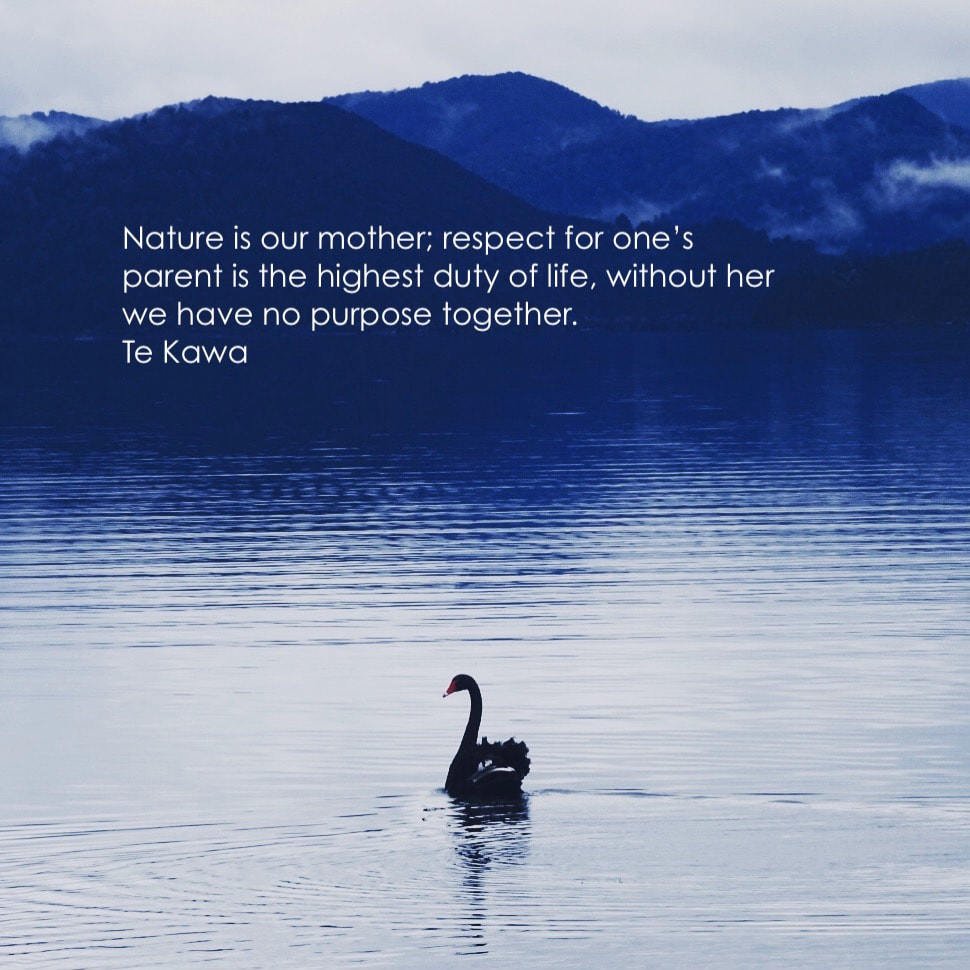
Compassion is a big thing for Buddhist people – the state of mind that wishes each being to be separated from suffering. Getting over our self-cherishing and learning to wholeheartedly cherish others is the basis of Gesh Kelsang Gyatso’s book “The New Eight Steps to Happiness”.
The book postulates that everyone wants to be happy and nobody wants to suffer – but understanding what is the real cause of happiness and suffering can be difficult. Turning from an external view of the world (where for instance possessions and our home might bring us temporary joy) to an internal view is key. Turning our self-centred minds into positive minds of unconditional love and compassion for others is a Buddhist ideal of happiness.
The concept of everyone being formerly your mother is therefore an important one, as it helps us manage our feelings of negativity, resentment or dislike to those we don’t seem to get on with. It’s easy to be compassionate to those you like – but to love your enemies is an important step towards real happiness.
Don’t wait – the time will never be perfect . . .
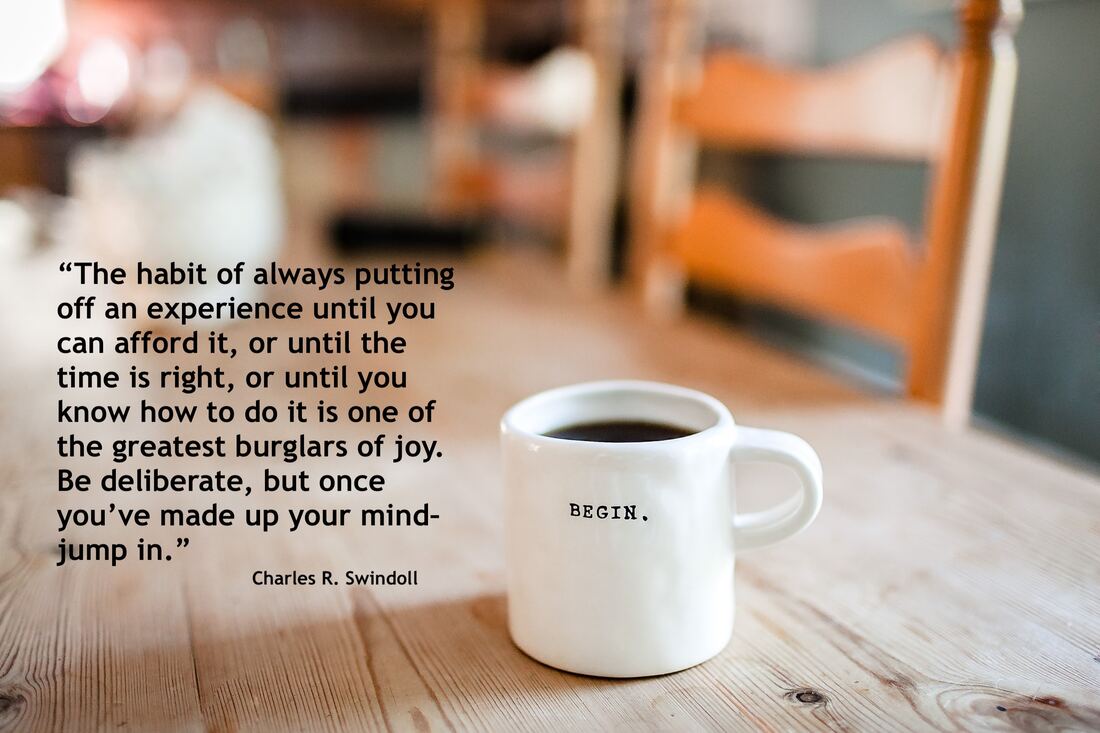
I get energy by following through and competing a task I have committed to. Strangely, it’s often not about the result, but more about the discipline I used to tackle and finish something. It makes me feel good – and conversely, the inertia created by putting something off is an incredible energy thief, and strongly demotivating.
So why is it so hard for many of us to start and finish tasks? And why is it that we focus on checking our emails and Facebook page, tidy the room, wash the dishes – in fact anything except actually start what we set out to accomplish? If we get energy and feel good from completing something, why aren’t we doing just that . . . ?
Procrastinators tend to think in the short term – and so tend to avoid tasks that are immediately unappealing, even though the completion of those tasks may bring significant future benefits. They also tend to be less into planning – which doesn’t mean they can’t plan, just that they don’t like it.
There may also be a physiological reason why some of some of us tend to procrastinate more than others, and that relates to the release of dopamine (a neurotransmitter that regulates behaviour). There is a gene that, depending on which version we have, determines our baseline levels of dopamine. If we have low levels, it is often only stress that can boost the release of extra dopamine – which might help explain why procrastinators often need to leave things until just before a deadline when the stress kicks in . . .
I have just read an article entitled “How to stop procrastinating by using the two-minute rule”. The idea behind the rule, as outlined in the book Atomic Habits by James Clear, is that nearly every habit can be scaled down into a two-minute version. It’s all about starting a habit – and so if you want to do some yoga, your strategy is to get out your mat and lay it out on the floor. Or if your aim is to run five km, your strategy is to put your running gear on.
The idea is that you can’t manufacture a perfect result from the start – the key is to show up. By making the first two minutes easy, it becomes a ritual and from there it’s all much easier. I mean what are you going to do when you are in your running gear, apart from going for a run . . .
I like this quote by Norman Vincent Peale: “The really happy people are those who have broken the chains of procrastination, those who find satisfaction in doing the job at hand. They’re full of eagerness, zest, productivity. You can be, too.”
Think positively and you may just live longer . . .
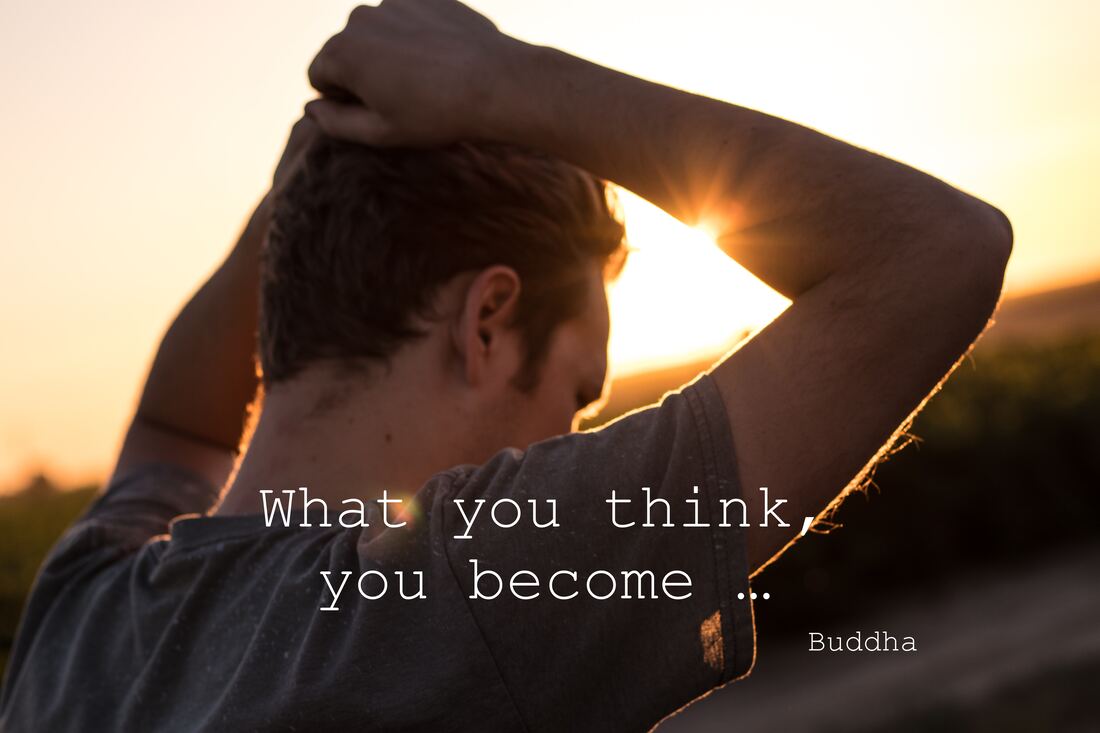
Humans have a leaning towards negativity. Our news media know that – and to sell space they broadcast stuff about corruption, crime, hate, scandal . . . Maybe it’s in our evolutionary genes where not so long ago, our survival depended on being able to react quickly to danger. But whatever the reason, bad news sells because we demand it.
Positivity is a choice we all have. And we have the power to make that choice many times each day. There have been many studies on the health effects of positive thinking. In short – if you are an optimistic person you are more likely to have greater resistance to things like the common cold, reduced risk of death from heart attack, better ability to deal with stress and depression and . . . you are likely to live longer.
So, you can see the obvious dilemma . . . how to be naturally positive when human nature is to veer on the negative side. And so it’s not something that will come naturally – and like all things that are good for us, it requires conscious effort on our part.
You may have heard about “The Secret” which is simply the “law of attraction.” I don’t like the marketing behind this concept – it’s overbearingly cringy (in my humble opinion), but the concept is sound. Essentially, whatever consumes your thoughts is what you will eventually get in life.
You become what you think. Applying this concept means that you simply focus on what you want, and not what you don’t want. Because if you were to do the latter – the latter is what you will attract.
Try it . . . and see whether the concept works for you.
This is the most important time in your life . . .
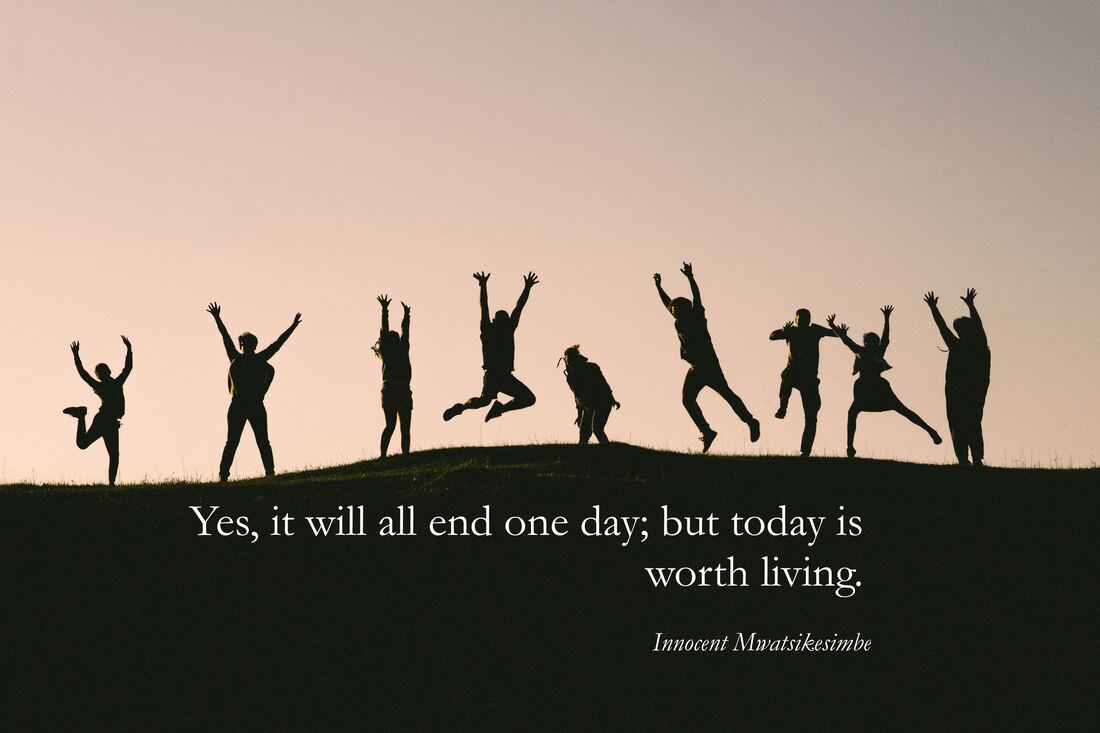
The interviewer asked the question – what should we do to be blissful, happy and aware?
The answer was simple. We aren’t going to be here forever. So don’t take things for granted. Of all the people who went to bed last night, some didn’t wake up. But we did. And isn’t that wonderful . . . and isn’t this a fantastic day.
So many of us live with the idea that we are immortal. Or put another way, we aren’t conscious of our mortality. Because if we were, how would we have time to fight with somebody, to waste our time doing things that serve us little purpose, to think and act in a negative way . . . ?
The point of the answer was not to bring us down by reminding ourselves that someday we will die. But rather to allow us to become more conscious of our mortality, and thereby live a life that helps us become the people we want to be. Life is a brief happening – so embrace this moment – right now.
Six steps to begin making our world a better place . . .
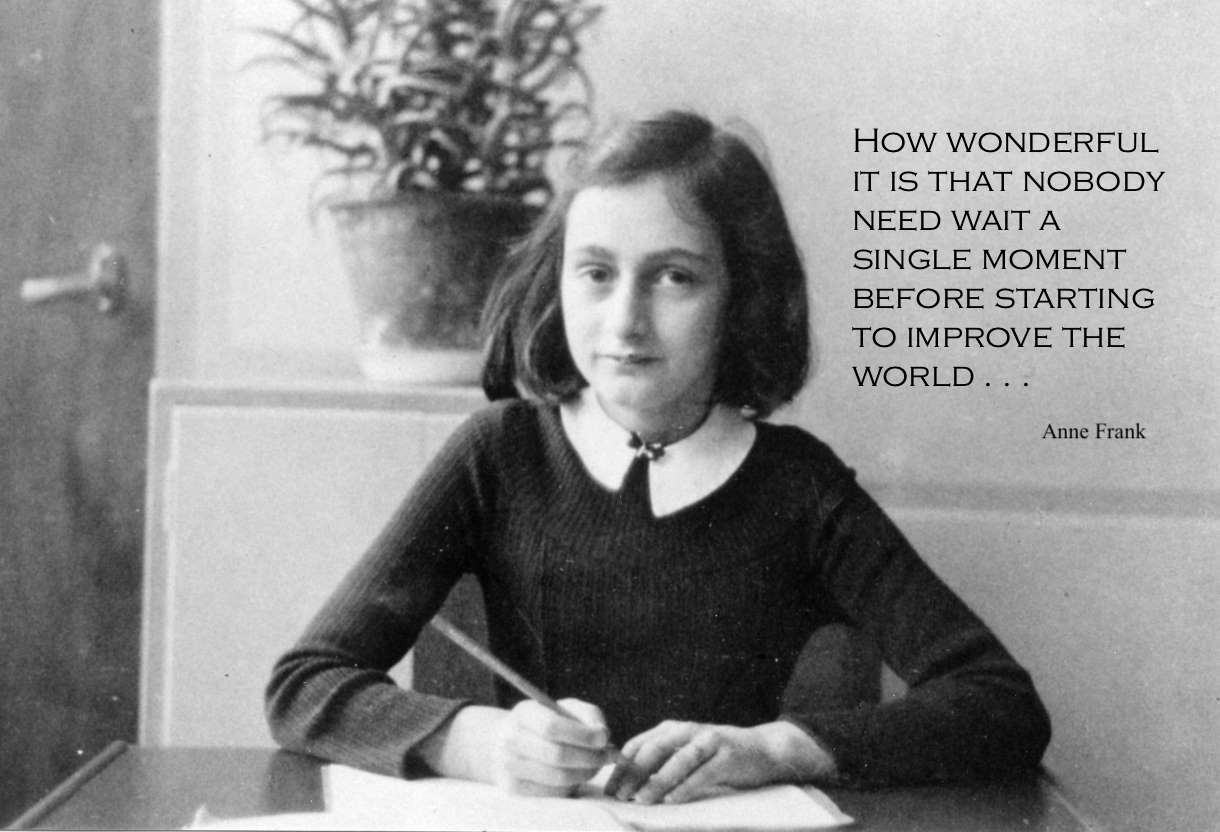
But what if that is just a thought . . . a self-limiting belief that, far from being humble and realistic is actually holding you back from being the person you want to be. Someone who could, in fact, help change the world . . .
What about the simple act of sitting on a bus? Well that’s exactly what Rosa Parks did in Montgomery Alabama when she refused an order from the driver to relinquish her seat for a white passenger who was standing. That incident sparked a new consciousness in America and Rosa Parks became an international icon of opposition to racial prejudice. For sitting on a bus . .
Whether it’s changing the world on a grand scale like Rosa Parks or changing the world in terms of the immediate environment we live in – it is in all of us to make that happen. And here is how . . .
One: Recognise and confront your fear.
You may not think you are fearful. But yes – we all have it to some degree. It’s endemic in our society – sometimes inherited from our childhood, from society, our friends, the media . . . Well . . . you are worthy. You are important. And there is no reason at all why your views and ideas don’t have a right to be aired.
Two: Avoid those who bring you down.
You know who they are. Those around you who subtly take the carpet from under your feet. Who criticise without providing a helpful alternative. Who smile and laugh while at the same time make you feel less important and less worthy. Instead, seek out those who you aspire to be – who encourage and love you no matter what. Those who genuinely want the best for you.
Three: Research and start talking about what you feel.
What you really feel. Not because you are comfortable that people will agree with you, but because it’s coming from your soul. Talk from knowledge. Research your topic. Read and understand the different points of view. And above all – concentrate on and learn the facts.
Four: Notice those who don’t agree with you and be ok with that.
There will always be people who disagree. That’s just like the sun coming up in the morning. They have a view and they are entitled to it – but it doesn’t affect you. You don’t have to fight them, and you don’t have to win anything. It’s not a competition and in many cases there may be elements of their argument you agree with. And that means you are learning.
Five: Reach out to others that share your view.
There is strength and support out there which is available for you to tap into. To give you confidence, a sense of self-worth, feeling proud and grounded.
Six: Take action and be brave.
Make a list of all the actions you could take. Leave nothing out, even if you don’t feel it’s something you would be comfortable with right now – just write them all down. Make an appointment to meet and talk with someone who could help you make a difference. Write a blog. Share your views on social media. Offer to deliver a talk for a local group. Make a plan and start right now – today . . .
None of these steps may seem particularly hard. And like so much in life things aren’t hard, but they are hard to start – to make a beginning – to take that first step. Anne Frank’s quote is so full of optimism – isn’t it indeed wonderful that that we don’t need to wait a single moment before starting to improve the world . . .
Being grateful . . .
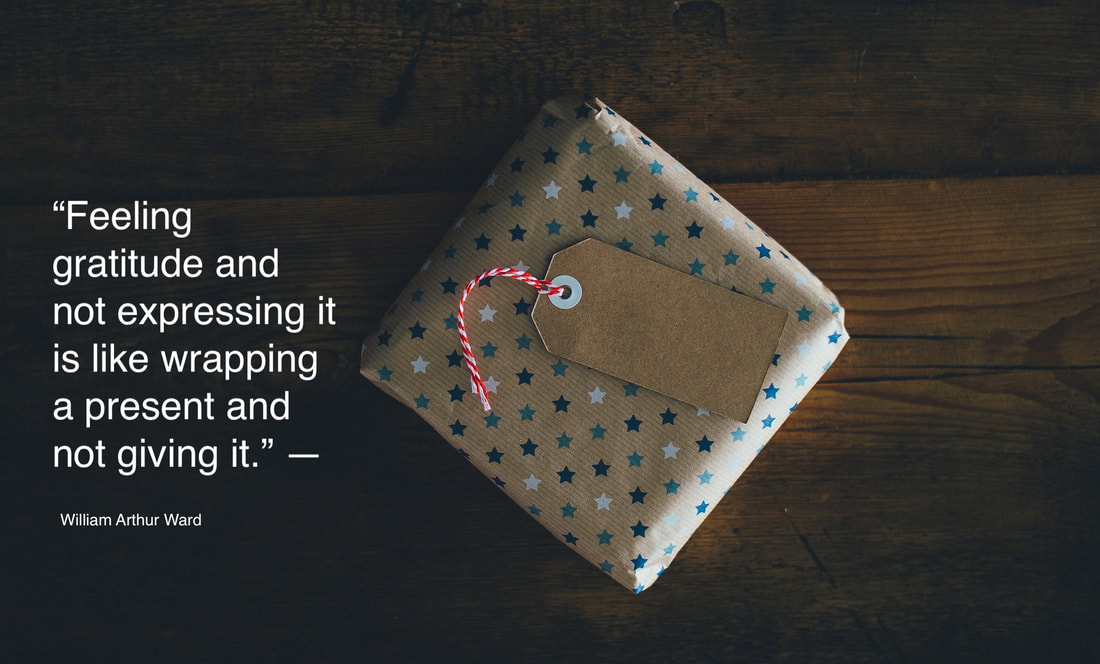
It’s easy sometimes to get caught up in our quest to become the person we want to be. To achieve. To accomplish. To gain. But unless we appreciate and give thanks for where we are right now, we run the risk of always chasing. Planning and working to get better, fitter, stronger, wealthier . . .
Today I had an awesome day. I’m grateful that the sun was out. I’m grateful that I have the fitness to bike for five km to go for a swim. I’m grateful for the beautiful lake I swam in. I’m grateful that my washing was drying while I was out swimming and that I have a washing machine at all.
These may seem small things, but I need to remember how many people in the world do not have the opportunities and resources that I have. And while I have dreams – I also love and am grateful for the step-by-step journey I am taking . . .
Gandhi and sugar . . .
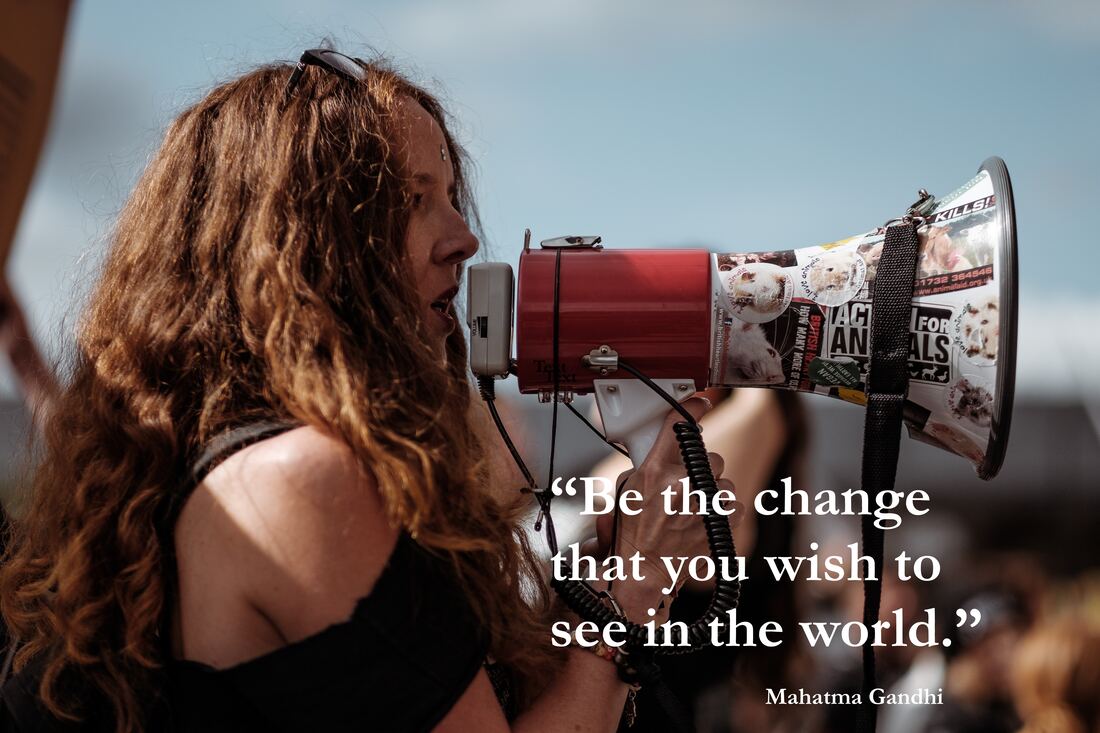
The story behind this quote is about sugar. Gandhi was once asked by a woman to talk to her son about cutting back on sugar. He asked them to come back in two weeks time, at which time he talked to the boy and made an agreement. In answer to the mother’s question – “why could you not talk to my son at the start?” Gandhi replied that he wasn’t able to talk to the boy until he had first tried making that change himself.
We are so quick to judge. To have an opinion. To demand change. To expect our leaders, our managers, our Government to be responsible for making change happen. And fast.
But what if we simply lived the change we want to see in the world? And by our actions, someone notices and copies. And then someone copies them – and so on and so on . . . Take the challenge – think of something you want to change – and quietly go about making that change happen in your own life, thoughts and actions. And just notice what happens . . . !
Showing compassion to friends is the easy part . . .
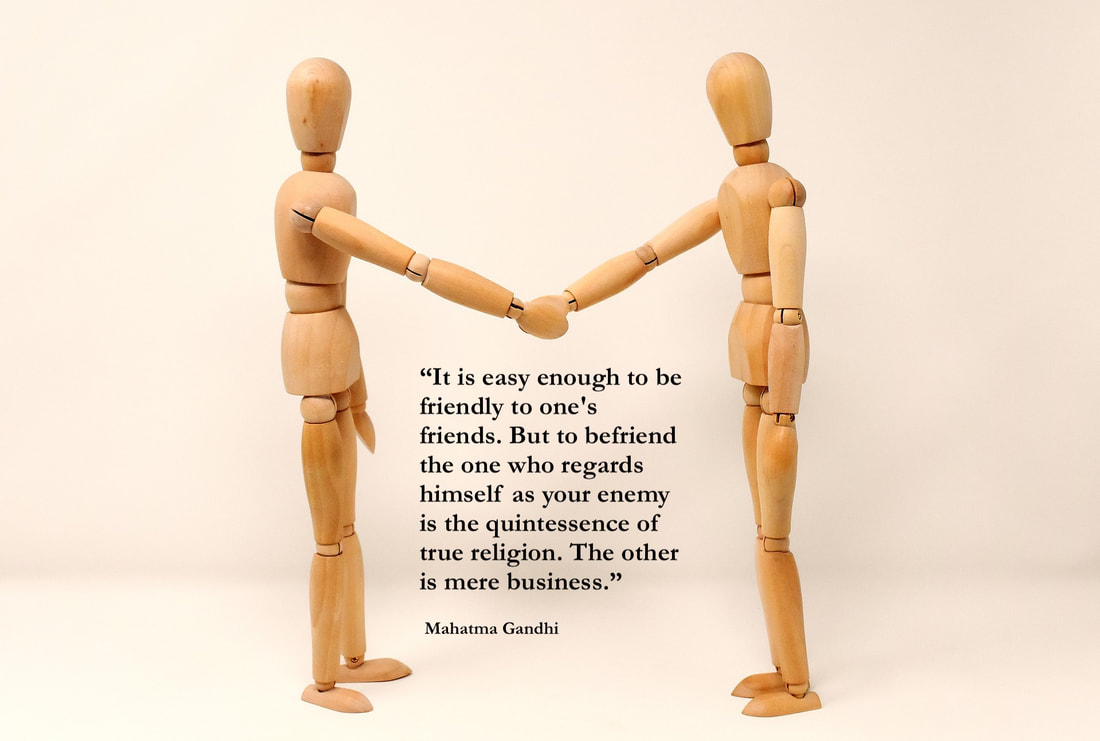
It is easy enough to be friendly to one’s friends. But to befriend the one who regards himself as your enemy is the quintessence of true religion. The other is mere business.
It’s certainly true for me. I find it hard to instinctively feel any kind of empathy for those who I dislike. I find the views of people who are racist to be abhorrent for example. Or those who are violent, rude, obnoxious . . . Yep its hard to feel anything warm for people like that.
But here are some more thoughts on that . . .
- Is that person causing or encouraging me to have similar traits? Umm . . . no.
- Is the way I am feeling about that person causing me pleasure or pain? Well it’s not the former.
- Why is this person exhibiting this behaviour? What has happened in their life? What troubles and anguish have they gone through and how are they feeling? Hmmm . . .
- If I was in that other person’s shoes, what would I be feeling, saying, thinking, doing . . . ? Good question . . .
Cultivating compassion for those we don’t like is maybe one of the hardest things, but also the most liberating. Putting yourself into someone else’s shoes. Understanding things from their perspective. Becoming aware that people who exhibit qualities we don’t like may in fact be crying out for help. And above all, being thankful for the teachings that person has given us.
Go on . . . try it . . . starting with just one “enemy” . . . right now.
Who I Am . . . part 1
I am sitting here listening to a mantra. A mantra is like a repetitive chant, and this one is set to music. It’s sort of chill while also a little upbeat, if that makes sense. The words are simple – “I am” – again and again. And as I listen and think I have decided to be instinctive and fill in the missing bit.
So who am I?
Well there is who I am right now and then there is who I want to be. I think of those two stages as being very different, particularly while I’m not feeling particularly good at the moment. Maybe that’s why I am putting pen to paper.
So being honest and being real about how I am right now . . . Well I’m not at the depths of despair. In fact my life might seem pretty good. I’m travelling for a few months with my wife. I have left a good job behind and stand a reasonable chance of being employed there again on my return. I am in the opposite hemisphere to my home, which means two summers in a row. We have experienced sights, sounds and experiences – many of them magical. But at my core I’m not so good.
What I feel is unfulfilled and trapped. I am a dreamer – always thinking of stuff like designing a home, writing something amazing, being a coach, an environmentalist, a motivator. And then there is my everyday life which for some reason always seems to present blockages. Practical things, stuff people say, my own self-doubts, fear and negativity. I feel like life, my life with all its potential gloriousness, is passing me by.
I feel a bit like that doctor who is painstaking when assessing their patient’s needs but lax on their own health. The builder who lives in a forever unfinished house, the plumber whose toilet doesn’t work . . . If I want to be a person who can help people then the first person I need to help is myself.
Starting today . . .
Three great ways to discover who you really are . . .
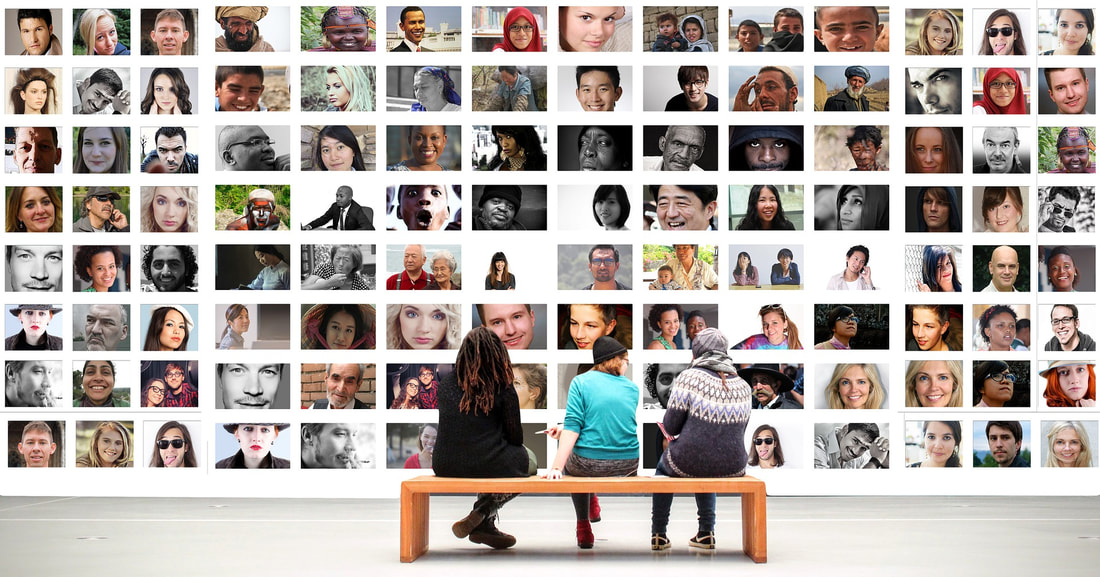
We like to think of ourselves and others as being a “something” person. Kind, diligent, industrious – or maybe lazy, self-centred or impatient. These labels may have become attached to us as a result of an incident. Like when you went wild at a party – or spoke out against something wrong or simply got angry. And then they become imbedded – and just maybe we subconsciously model our lives on the label we have inherited . . .
And then confirmation bias sets in, where we live our lives and interact with others under a set of expectations. That allows us to make quicker decisions, avoid harm and generally live our lives more efficiently. But what if that label is simply misleading and possibly (and probably unintentionally) harming? And, more importantly, what can we do about it . . . ?
Maybe the first step to understanding others is to first understand ourselves with a fresh set of eyes. Carl Jung was an early 20th century psychotherapist and psychiatrist who created the field of analytical psychology. He said . . .
“Until you make the unconscious conscious, it will direct your life and you will call it fate”
And with that in mind, here are some useful (and free) sources to help you discover (or rediscover) your personality. They are all survey type models, and with any survey they only work if you are honest in how you answer.

Neris Personality Test
Take the “Neris” free personality test at https://www.16personalities.com/. It’s based on a well-regarded model called Myer’s Briggs which in turn is based on the thinking of Carl Jung (quoted earlier in this article). The Neris test expands on the Myers Briggs thinking and incorporates what is known as the Big Five Personality Traits.
By taking this test you can find out if you are an architect (an imaginative and strategic thinker with a plan for everything), a mediator (kind, altruistic and always willing to help a good cause) or one 14 other personality types.
The Riso-Hudson Enneagram Type Indicator (RHETI)
An enneagram defines nine personality types (sometimes called “enneatypes”), which are represented by the points of a geometric figure which indicate connections between the types.
Basically you have to take the test to find out which one of the nine personality types you are. Are you a reformer (rational and idealistic), an artist (intuitive and reserved) or a peacemaker (easy going and accommodating)? Go to https://www.9types.com/rheti/index.php for a free sampler where you can complete 36 out of the 144 questions. For the full test go to https://www.enneagraminstitute.com/ where you will be charged a relatively small amount.
Feeling these two tests haven’t quite hit the mark? Then try the Oxford Happiness Questionnaire. It was developed by Michael Argyle and Peter Hills of Oxford Brookes University, and originally published in 2002. If are interested in the scholarly paper go here where you will gain some understanding how the survey was developed. If however you are after a more user friendly version, the UK Guardian has produced one here that you can answer and immediately generate your score.
- Set aside some time when you won’t be distracted;
- Complete all the questions;
- Try to avoid neutral answers;
- Be honest – put down what you honestly feel to be true, not what you would like others to see you as; and
- Value being instinctive over being analytical when thinking about your answers – this will help you not to get stuck.
When you have your results, it might be interesting to ask yourself how you feel. Was there anything in the results that surprised you? Are you disappointed? Pleasantly surprised? And again – why . . . ?
And finally – if you have taken the test and self-reflected on what you have learned, congratulations. Understanding what makes us tick is vital to making positive change. It’s tempting I know to jump to the action side of things. But until you really understand how you are feeling now, designing and working towards a “future you” risks missing something fundamentally important.
Why we should all pursue a small-town view of friendliness . . .

I had always thought of New Zealand as friendly place. I have lived and worked overseas for a number of years in London, Amsterdam and Sydney. None of those places I would have characterised as un-friendly, however it’s not until you arrive back in New Zealand and receive a cheery greeting from a shop assistant at Auckland airport, that you realise what it’s like for someone to ask you how you are – and be genuinely interested in the answer.
And so, our impending extended trip to Whakatane posed no real concerns for me about not being welcomed into the community as after all, this was just another part of New Zealand, right!? As I sit now nearing the end of our six month stay, I have been reflecting on a number of things, including how genuinely nice it is to live and work in a small town.

And that is pretty much a typical day in Whakatane. Different in a way from my home in Wellington where people are certainly not unfriendly, but don’t seem to show anywhere near the genuine bonhomie and hospitality that I have experienced in this little Bay of Plenty town.
Now I know that some people reading this may point to statistics such as the Eastern Bay of Plenty’s growing P problem and consider this piece overly positive. I’m not sure I have a good answer to that, other than I can just comment on my own experiences – what I see, hear and feel in this awesome little place.
So, is it just Whakatane that is kind of cool, or is what I have experienced evidence of small towns being generally happier places than bigger cities? Well it’s the latter if you consider recent research done by sociologist Adam Okulicz-Kozaryn which suggests that city dwellers in the US are reportedly less happy with their lives. Interestingly though, the research indicates millennials seem to have the opposite point of view which I guess sounds logical if I remember my own preferences on city vs country when I was at my “millennial” age …!
All I can say is that I have loved my short visit to Whakatane. I feel more relaxed and at home in this friendly place. Now I have to think about exporting this feeling back to my city way of life . . .
On being right . . . or not

The podcast by the way was a Ted Talk by Julia Galef – “Why you think you’re right even if you’re wrong”. Listen to it if you can.
We are all plagued by this affliction – if we are really honest. Sport springs to mind as a good example. If my favourite team are wrongly penalised by the referee, I find myself instantly uptight – questioning the decision and looking for a way that I can feel its just plain wrong, or unfair . . . If the opposing team incur a similar wrongful penalty-call things are different, of course. “Get on with the game – suck it up – the ref probably missed something earlier so it’s all evened out . . .”
In the late nineteenth century, a French army officer called Alfred Dreyfus was convicted of spying and passing classified information to Germany. In 1894 he was sentenced to life imprisonment on Devils Island, off the coast of French Guiana.
The problem though was there was no obvious evidence pointing to Dreyfus’s guilt, other than the fact that he was one of the only, if not the only, Jewish officer in the French army at the time. The series of events that followed suspicion, turning to arrest and incarceration was a sobering example of belief in being right, even though evidence suggested otherwise. Even when the case was questioned and retried, there was still enough belief in Dreyfus’s guilt to disallow the conviction to be overturned. It was only through public pressure that Dreyfus was exonerated 11 years later.
So why do we insist on continuing to believe we are right, even though the facts and evidence often don’t support our opinion?
Perhaps the answer lies in our own prejudices and our ego that prevents us overcoming those prejudices. It could certainly be imagined that prejudice might have played some part in the conviction of the Jewish Alfred Dreyfus, and ego playing a part in the refusal of authorities at the time to back down despite overwhelming evidence of his innocence. As for me and my sport watching – yes guilty as charged – even though it pains me to admit it.
I am learning to step back, examine my thoughts and question whether I am creating opinions out of evidence and fairness or from place of pre-conceived ideas. Ideas built up from listening to my parents, my friends, my family and in the busy social media world that I dabble in – probably too often. And in doing so I am finding myself a happier person – less wound up by notions of injustice and more enjoying the honest spectacle of the world around me. With all its faults and imperfections.
And realising that by becoming the observer I am starting to see the world less in terms of black and white – but more the beautiful, intriguing and frustratingly wonderful grey . . .
Faced With a Life Changing Decision – How to Turn Your Negative Head Chatter Into a “Yes” . . .

One year ago I was sitting at my kitchen table at our house in Seatoun, Wellington. In front of me were a pile of bills and correspondence to deal with – not such a bad job on a wet Saturday afternoon, but not exactly heart pumping. One more day off, I thought, before work on Monday at the New Zealand Government’s Department of Conservation. A pretty good job – interesting, meaningful and full of good people doing things that matter.
All in all I felt my life was pretty peachy. I had a lot to be grateful for. Enough money, without being rich. Healthy (well most of the time). Two amazing daughters and a solid and deep relationship with my wife of 25 years. Decent house, good friends . . . not much to complain about really.
Except something was definitely missing. My life felt a little bit “the same”. I woke up and (when I wasn’t on my four week holiday each year) went to work, came home – a beer, chat, dinner, and bed. I know – I am generalising hugely and there were of course weekends – but that’s what I felt like. Happy on the outside, but a little unfulfilled on the inside.
My wife had, for a long time, been talking about taking some serious time off. A year of travelling – how about it!? Well if I am honest I did try to sound keen but really I was scared. A whole year . . . how would that work, what about our house and my job, what would we do, where would we go, where would the money come from . . . ?
And that is a great example of the negative “chatter” which goes on in all our heads. All the reasons why something can’t work and why its OK to stay in our safe and known zones . . .
Steve Taylor, in an excellent article in Psychology Today, talks about thought chatter as creating a constant disturbance within us. Taylor says “Perhaps the biggest problem with thought-chatter though is that it’s often tinged with negativity. Thoughts about the future are tinged with worry and anxiety, thoughts about the past are tinged with regret or bitterness and thoughts about your present life situation are tinged with dissatisfaction.”
The only way to combat the negative thought chatter, in my view anyway, is not to give in to it. Instead of thinking why things can’t work, turn your mind to how they can. We can rent the house out – it’s a good rental market at the moment and that will give us an income. It’s about time for a change in job and this will force me into thinking differently. It will work and will be great.
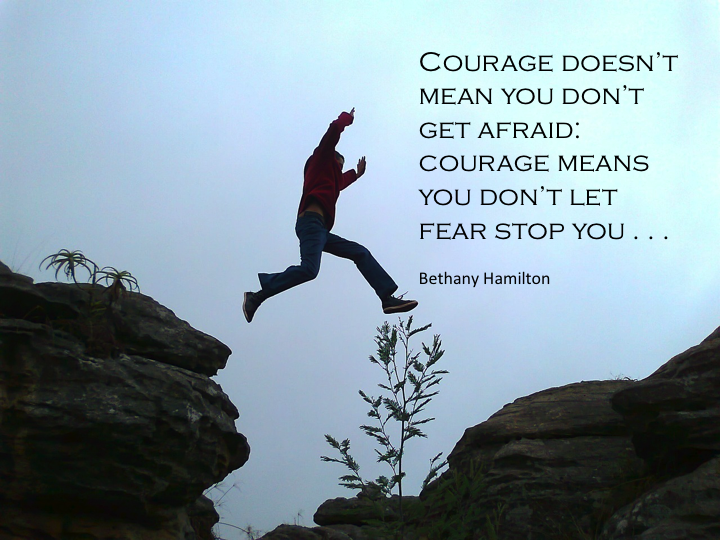
I am so happy we made the decision to take this time off. By using the income from renting our house and staying in simple, but cosy, places we haven’t spent nearly as much as I thought we would have (and by the way we met heaps of people who managed to travel and live for next to nothing). Instead of waiting until we retired to see the world, we are experiencing travel while in our prime. We have learned so much about the world we live in – people, practices and cultures.
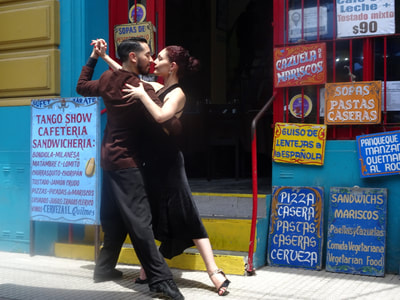



So my advice is that whenever somebody asks you something like “wouldn’t it be great if . . .”, try and ignore that negative chatter in your head and ask yourself how you can say “yes” rather than “no” or “maybe”. You won’t always be in the position to drop everything and take off round the world – but just maybe you will . . .
Saving the Street Kids of Cusco, Peru: The Incredible Jolanda van den Berg . . .
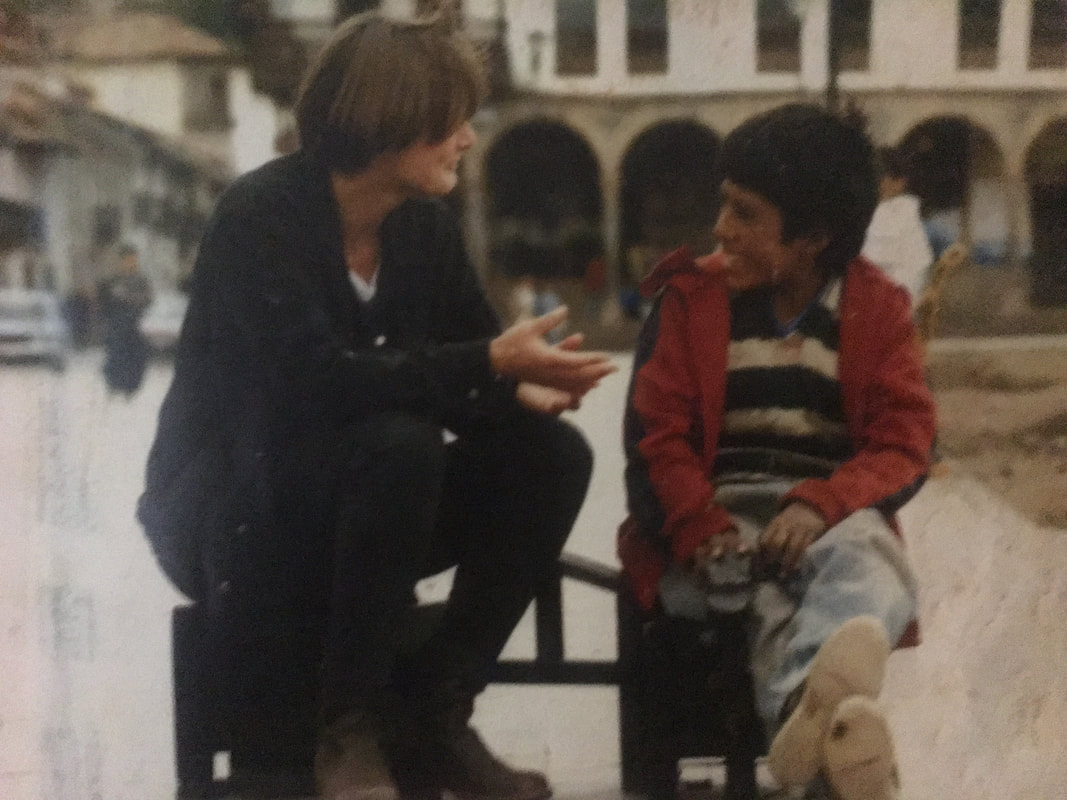
Cusco, once of the capital of the Incan empire, is a busy little city with a population of around 400,000. In the historical centre where we are staying you could be forgiven for thinking the economy is in pretty good shape. There are signs of affluence in many of the restaurants, shops and buildings – and the place is full of tourists. But in reality there is much poverty.
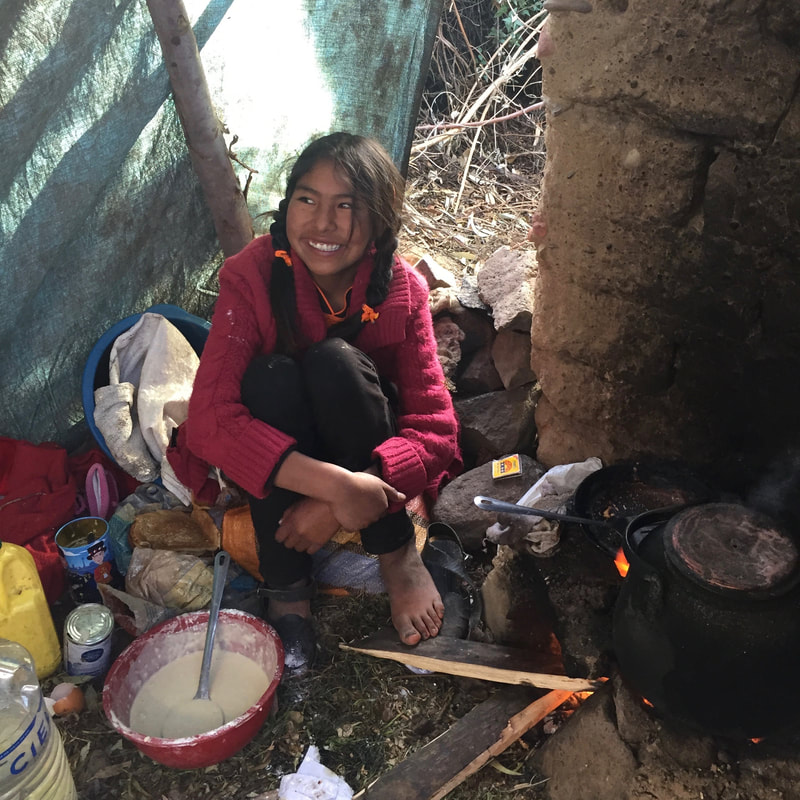
She started in 1996 by renting a small room and offered two of the children, who roamed the Plaza de Armas, the opportunity to come and live with her. The condition was they stuck to the rules, which included daily chores. Two boys quickly became 12 in a five-bedroom house with one toilet and shower for everyone plus limited running water.
Funding initially came from family and friends in the Netherlands but it was never going to be enough. And so with little knowledge of the hospitality industry, Jolanda and her partner hit on the idea of starting a hotel – the objective being to become financially independent and for the boys to learn a trade. Out of the blue one large Dutch sponsor provided the funding and the Niños Hotel Meloc became a reality in 1998. That is where we are now staying and it is just the cosiest little hotel I think I have ever stayed in. There are no room numbers; instead all the rooms are named after the boys.

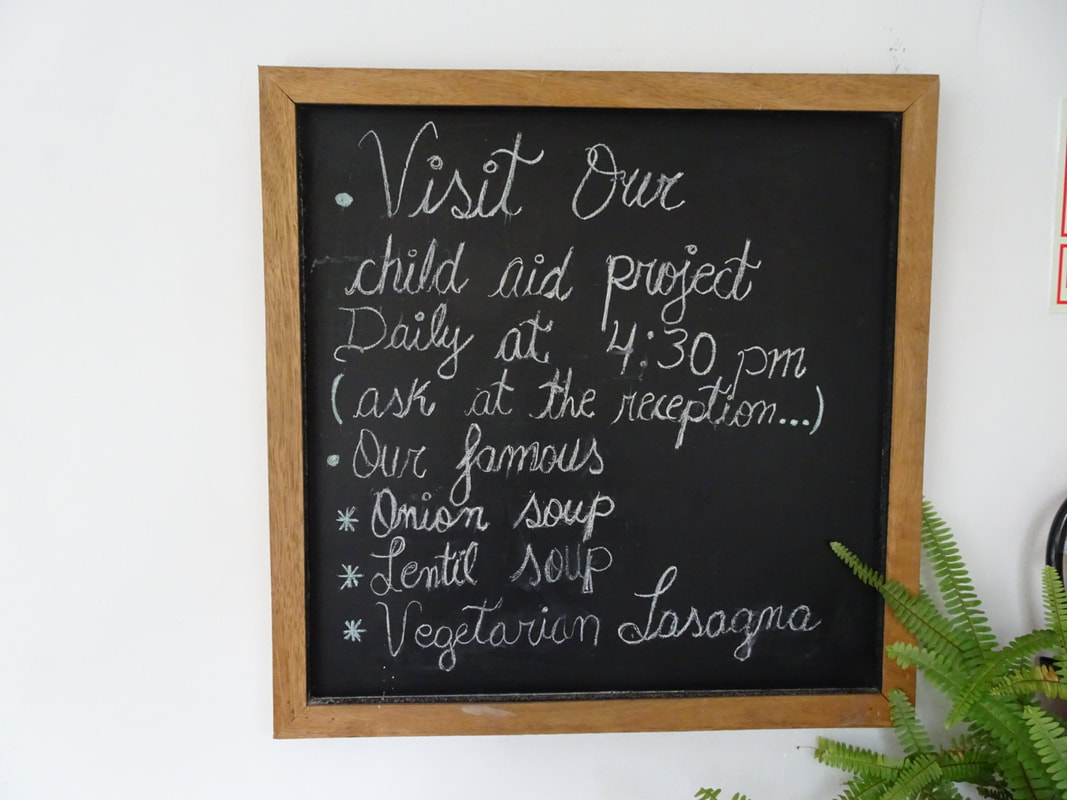
The program now looks after 600 children, incidentally not all of whom are homeless. Many rural families aren’t able to find decent education in their home villages and so they send their kids to Cusco in hopes of a better life. Many kids live together in these arrangements, receiving some financial support from their families but often supporting themselves through enterprises such as shoe shining and selling cards to tourists. The program feeds them three meals a day, six days a week. It provides shower facilities, medical and dental treatment and also sport – all aimed at not only keeping them healthy and well fed but raising their self-esteem.
Jolanda van den Berg is just a gorgeous bundle of vibrant energy. She has the most sparkling eyes and if she has any regrets about her life over the last 21 years they are very well hidden. I think I’m a little bit in love (purely platonically of course!).
Her philosophy is that “there are no victims here”. She treats her relationship with the kids as a partnership – she gets just as much out of it as they do. The way you give is important . . . “giving has to be useful in the eyes of those who are receiving”, rather than satisfying ones well-meaning ego. That in turn has led her to continue to expand the hotel business (there are now three) and thereby rely less on sponsors, so many of whom want to be recognised and associated with a particular “gift”. Jolanda says she doesn’t need more refrigerators – it’s the money that is needed, given selflessly with no attachment.
If anyone is looking for somewhere very special to stay in Cusco, come to the Niño’s Hotel Meloc and see how one woman is sharing her life with some pretty special kids. It may just change your life . . . !
Being generous makes you a happy person – but only if you go about it the right way
A recent study by the University of Zurich involved 50 participants who were promised a sum of money that they would receive in the next few weeks and were supposed to spend. Half of the study participants committed to spending the money on someone they knew while the other half committed to spending the money on themselves. The study concluded that generosity makes us happier, even if we are only a little generous. People who act solely out of self-interest are less happy. And even merely promising to be more generous is enough to trigger a change in our brains that makes us happier.
Well that makes sense . . . except that I have had this nagging feeling for a while that I haven’t been getting the same buzz out of giving that I used to. Are my acts of generosity really giving me energy, or taking it away . . . ?
There is a book out called “The Disease to Please”, written by Harriet Braiker, which explores our need to please and questions whether we are sometimes self harming ourselves by over-giving. Do we have an urge for approval, or a fear of confrontation that makes us create a persona of “niceness”? If I were really honest – I would have to say I do sneak into this category from time to time.
The key message is that it’s OK to put yourself first. Only be nurturing yourself, giving yourself the love and life that makes you happy, will you be ready and able to give to others in a meaningful way. It’s all about balance and maintaining those important energy levels. . . .
Forget About the Future . . .
Are you someone who thinks a lot about where you are heading, what you will be become, who you will be with, where you will live . . . ?
I do. I think about this sort of stuff all the time. And there is nothing fundamentally wrong with gazing out in time, contemplating what life will bring you. Except, when you forget about where you are actually at right now.
I am in the middle of reading “The Alchemist” by Paulo Coello. Buy it and read it. It’s amazing, having sold over 30 million copies worldwide (at least that was at the time my copy was printed) and translated into 63 languages. The story charts the travels of an Andalusian shepherd boy who learns about listening to his heart and fulfilling his destiny.
One of the lessons this shepherd boy learns along the way comes from a camel driver who relates some advice he receives from a fortune-teller which goes like this . . .
“When people consult me, it’s not that I’m reading the future: I’m guessing at the future. The future belongs to God, and it is only he who reveals it, under extraordinary circumstances. How do I guess at the future? Based on the omens of the present. If you pay attention to the present, you can improve upon it. And if you improve on the present, what comes later will also be better. Forget about the future, and live each day according to the teachings, confident that God loves his children. Each day, in itself, brings with it an eternity.”
It’s a powerful message and made me physically sit up and think. About how my life sometimes feel as is though it’s passing me by, and that somehow it will all come together when I get to where I am headed.
And that’s my lesson for today. To make each day my eternity – to pay attention to what’s around me right now and to make of my life something special . . . one day at a time . . .
Being brave . . .
So one day my wife said – how about we take off overseas for a year and have some fun . . .
Well that’s corny. Everyone always asks you that. What is it with happiness – and what does that word actually mean? And so I thought . . . and I thought . . . and I thought.
Forget the textbooks. For me, happiness clues are
• Waking up in the morning and smiling;
• Feeling calm;
• Getting real pleasure when someone else succeeds at something;
• Not sighing;
• Feeling healthy and fit; and
• Felling energetic more times than feeling tired.

And so after quite a while I did a brave thing. Very brave for me, and a little bit scary. I said Yes to my wife. Lets do it. And so I quit my job, put my life on hold and took a plunge. And now we are in the first week of our big adventurous year of travelling around the globe.
And finding happiness – maybe . . .
Am I judging myself . . . ?
So tomorrow I am teaching my yoga class and just sent out an e-mail saying “it takes a conscious effort to notice what is going on in our mind and body without judgment or wishing it was any different.” Mindfulness is a big word now a days and in this rushed society we sometimes ignore to notice our body and/or are not aware of our thoughts. We just keep going and are reacting in situations we later regret and think how could I have handled that one better?
In a nutshell yoga gives us the timeout for ourselves to reflect and become aware of our habitual patterns, either physical or thought patterns. We have learned by accumulating these thoughts and believe in them or by avoiding certain situations to survive and feel at ease the best we can. I was told as a teenager that I can’t write, am bad at it so started to avoid writing altogether. I have never questioned that belief until now and feel quite uncomfortable as I am writing this down. But I know that breaking through those belief systems there might be something better for me out there… and anyway what is the worst that is going to happen if someone judges? Or judge myself?
I invite you to start observing your habitual patterns during your yoga practice and wonder why you resist a pose…. what is it you are uncomfortable with in daily life?
If you would like to read more about this topic, there is good article on yoga international website, powers of observation.
https://yogainternational.com/artic…/…/powers-of-observation

Five Methods to Overcome “Inspiration Block” that Actually Work . . .
The American author H Jackson Brown Jr once said “Don’t waste time waiting for inspiration. Begin, and inspiration will find you.”
Well that’s all very well. But if you are anything like me, the actual beginning part is actually really hard. Even when I sat down to write this blog . . . hmmmm maybe I will make myself a coffee before I start . . . now I’m making my coffee I should quickly clean the kitchen bench down . . .just noticed I’m almost out of cleaning spray so better add it to the shopping list, that wont take long . . .
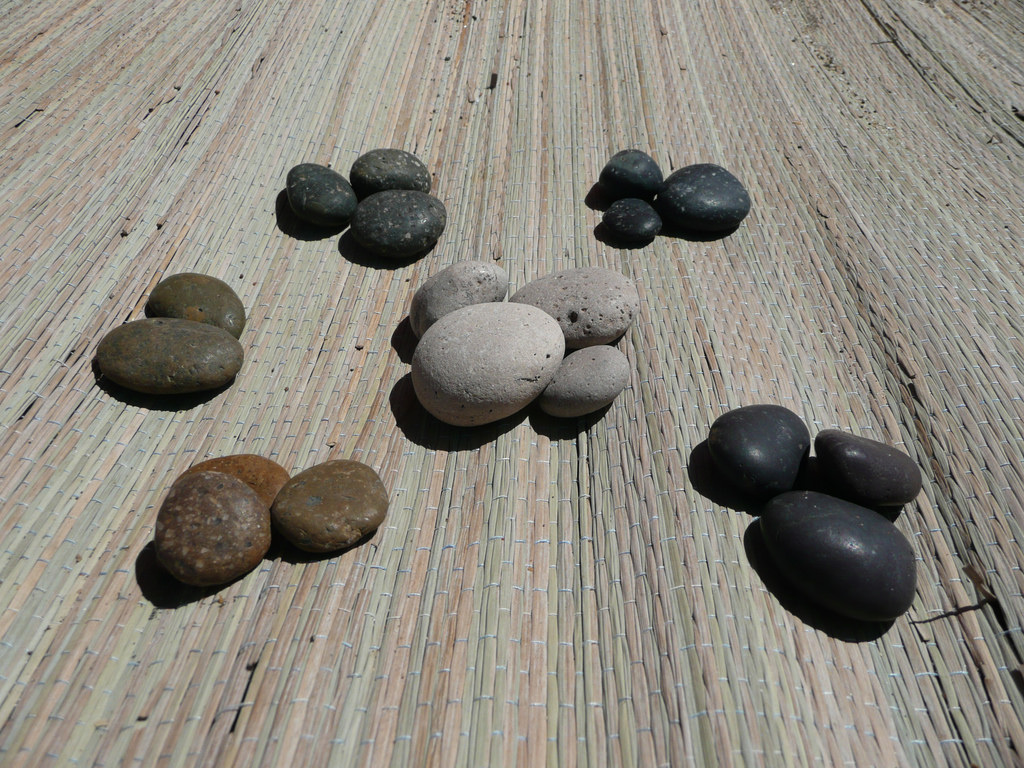
And that’s indicative of a lot of things I do. Sure, all those things that distracted me are worthy of some sort of action. But they are all pebbles that should fit around the big rocks in my life – not the other way round. So I decided to research the subject of writer’s block. Is this common and what are the ways that people have found to overcome this phenomenon?
Wikipedia defines writers block as a condition, primarily associated with writing, in which an author loses the ability to produce new work or experiences a creative slowdown. The condition ranges in difficulty from coming up with original ideas to being unable to produce a work for years.
As far as I could find out, writers block isn’t a medical diagnosis in itself. But some may exhibit writers’ block type symptoms as part of mental illness – such as anxiety of depression for instance. And yes its common. Wikipedia lists authors F. Scott Fitzgerald and Joseph Mitchell, pop culture cartoonist Charles M. Schulz and British songwriter Adele as just some who have ben known to suffer from this affliction.
1. Get an hourglass
I read that Dan Brown keeps an hourglass on his desk – every hour he takes mini-breaks to do some exercise. Others make a plan at the beginning of the day with times for writing and times for doing other stuff. One tip that apparently works . . . don’t make writing the first thing on your plan; instead do the thing that is nagging most in your brain first (like paying a bill that’s overdue).
2. Write gobbledegook
The Artists Way is a book, and course, all about bring creativity back into the lives of artists (or anyone for that matter). One of the core exercises for three months is to write 3 pages every morning. And as soon as you put pen to paper you must write. Write about anything. Write that “I don’t know what to write” seven times. Its amazing how the power of just writing, about anything, lubricates your inspiration and creativity . . .
3. Dress for the occasion
Roald Dahl climbed into his sleeping bag to begin writing. It was the “uniform” he associated with his craft. Into the sleeping bag – its writing time . . .
Another approach, try dressing up. Like it’s a job where you are meeting and working with people. Would you go to a job like that in your sweat pants and hoodie? Put on some decent clothes, brush your hair, check yourself out in the mirror. Writing is something you are serious about, so dress up for the start of your writing time.
4. Cut the internet connections
Disable your internet connection. Its just too distracting and way too tempting. That funny cats youtube video . . . really ?
And another thing about electronics. Electromagnetic fields (EMFs) have been found to disrupt the natural energy flows in your body – affecting the nervous system and increasing stress. Insomnia, anxiety and depression have all ben linked to exposure to EMFs. Feng Shui thinking says leave electronics out of the bedroom. Now that isn’t always easy with writing in this electronic age – just something to be aware of . . .
5. Quit
No not quit permanently. Quit the situation or the place for a while. Find a new and energising place to be creative. Go for a walk to clear the brain. Meditate or practice some yoga. The idea is to come back refreshed and renewed.
3 of the Best Free Online Planning Tools to Help Achieve Your Big Audacious Dream . . .
You have two choices to achieve your big audacious dreams. Plan, or not plan. Not planning means being mindful and aware of your goals. Acting and being in accordance with the important things you wrote in your mission statement. And that may work really well for some people – but if you are anything like me, you will stand the best chance of achieving your dreams if you plan for them.
Getting Started – How long’s your timeframe?
Good planning involves thinking about both the longer term and the shorter term. But in my experience really long term planning rarely works. Have you ever seen a five year plan last five years? Things change and you therefore need to be flexible and adaptable in your planning . . .
I was talking a number of years ago to an international advertising agency about planning. Their use of of a “rolling” 9 month system really resonated with me. It works on the simple basis that you plan for the next 9 months – and then every three months your “refresh” and publish a new/amended 9 month plan. Believe it or not, a lot can happen in three months – particularly when you are embarking on a personal change programme. This system therefore allows you to constantly have a plan that is real, relevant and timely.
Getting your plan out of your head . . .
OK so once you have agreed your planning timeline, document your longer term goals (whether it be 9 months, a year or something else) based on your mission statement. So for instance if you have decided in your mission statement that you will be financially self-sufficient, then you may set yourself a goal that . . . by March next year I will have started my first business. You then need to think about what actions you need to take to reach this goal – what, when and how. So for example you might decide to carry out some research in August by talking to similar businesses, attend a marketing course in September, write a business plan in October, hook up with a business mentor in November etc etc.
The point is – you are tying together: a) your mission statement, b) your longer term goals and c) your shorter term actions. In other words – planning!
Three Great Free Online Planning Tools . .
There are some really amazing (and free) planning tools available on the web. Take look and spend some time before making your decision. Because once you choose one planning tool – its hard to change!
Remember the Milk
Remember the Milk is essentially a to-do list. Created in 2004 by a two-person Australian company. Now has 5 millions users.
Remember the Milk allows users to create multiple task lists. Added tasks can be edited (or not) to include various fields; locations can be added, and an integrated Google Maps feature allows users to save commonly used locations. Tasks can also be organised by tags. Users must pay a subscription to synchronise among multiple devices more than once a day. Remember the Milk offers integration with Microsoft Outlook, Gmail, and other services.

Lifetick
Lifetick allows you to add and track multiple goals, build plans and steps for each one, and then look back on your progress over time to see how well you’re doing . You can filter your goals based on the part of your life you want to work on, and review your progress in each individual area.

Todoist
Todoist is one of the more established sites which allows you to manage your planned tasks across a variety of devices. There is a free version or your can pay extra for more options.
You can create “projects” and then tasks and actions within those projects. For instance your project may be to be an inspiring parent – and within that project you may choose to take your son or daughter to places that make them them think about the world they live in – and then you may have subtasks of planning visits to an office of Greenpeace or an upcoming exhibition. You can also track your progress on a daily or weekly basis with Todoist Karma – you even get “points”.

You know all those “seven things you must do to change your life”? Ignore them . . .
I have been observing what it means to be happy for many years now. And one thing I have noticed of late is the veritable plethora of articles and blogs claiming the road to happiness, contentment, success (or whatever your goal may be) can be achieved through the application of “X” things or “Y” steps. X or Y equalling anything from three to one hundred.
Incidentally for some reason a lot use the number seven which may come from its association as a lucky number in some cultures.
Actually there is one reason why we might be seeing so much more of this. Because apparently, according to a number of blogs about how to write good blogs (believe me there are a lot of these . . .) people more often click on titles that have a number in it.
Yes my title is provocative. “Ignore” probably isn’t the right word – what I am actually suggesting is you should ignore the “how” until you have understood the “what”. Another way of saying this is that to know where you are going in life youfirst need to know where you are right now.
”Until you make the unconscious conscious, it will direct your life and you will call it fate“ – Carl Jung
Think of a time when something great happened to you. You won a prize, gave a speech for the first time in front of a room full of people, entered and competed in a running event. These are just examples – think of a time in your life when you underwent change for the positive.
Your content goes here. Edit or remove this text inline or in the module Content settings. You can also style every aspect of this content in the module Design settings and even apply custom CSS to this text in the module Advanced settings.
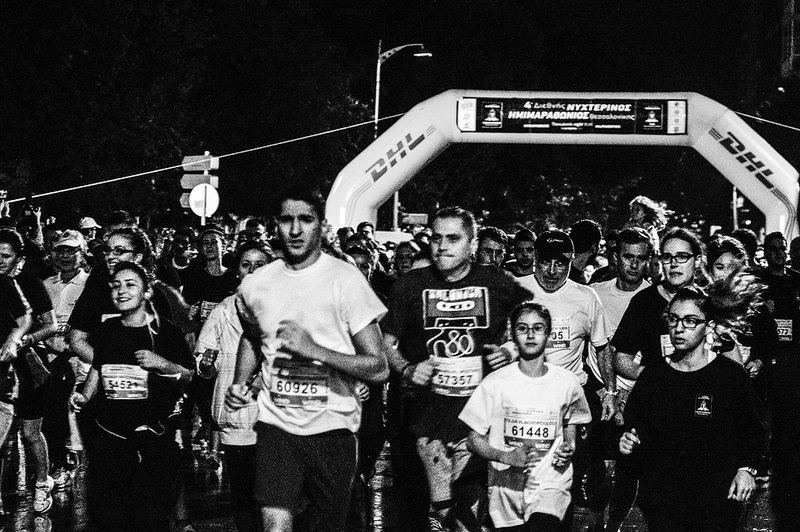
But what an amazing feeling . . . In eight weeks time I had gone from being a pretty unfit person to being capable of running 21km without stopping (shuffling still counts as running in my book). And that was the ultimate buzz. The change I had undergone was dramatic. I remembered how I was and how unfit I felt. And most of all I remembered back 8 weeks ago to this person who had never contemplated doing a race like this and probably hadn’t imagined they were capable.
So it wasn’t really the run that made me feel so amazing. It was the difference in how I felt and the change I had undergone. And I could remember that because, hey, 8 weeks wasn’t that long ago. How I had been feeling and living my life back then became my yardstick – a way of gauging how far I had progressed and what changes I had made in my life.
And this is my challenge to you. Take time right now to stocktake your life and how you are living it. Your yardstick for the future new you . . .
“Observing yourself is the necessary starting point for any real change.” Chalmers Brothers
Here’s something that helped me do my own stocktake . . . The “me” board is like a vision board in reverse. Its meant to characterise your life and how you feel – right now.
- Get hold of a big piece of card. A2 size is 42cm by 60 cm – or go bigger if you can.
- Now get a pile of magazines and newspapers. It doesn’t matter so much what they are, just make sure you have a good sample of different types.
- The aim of this exercise is to build a poster which points to how you are feeling right now. It will suit those of you who are creative – or who just can’t get their head around stats and questionnaires.
- You need to cut out and paste pictures, words, headlines or art that talks to your present state of mind. Be intuitive – if something you see feels right about how you are – don’t think, get cutting.
Remember this isn’t about who you want to be (that comes later). This is about who you are NOW.
Four Simple Feng Shui Changes You Can Make To Bring More Energy Back Into Your Life
The website fengshui.about.com describes Feng Shui as
“. . . an ancient art and science developed over 3,000 years ago in China. It is a complex body of knowledge that reveals how to balance the energies of any given space to assure health and good fortune for people inhabiting it. Feng means wind and shui means water. In Chinese culture wind and water are associated with good health, thus good feng shui came to mean good fortune, while bad feng shui means bad luck, or misfortune.”
I first heard about Feng Shui from my wife. We bought a book on the subject, quite expensive at the time when we had little money, and from that time I have built an active appreciation of the benefits of this art. The best way I can describe my experience is when one day, shortly after our book purchase, I walked into a room arranged on Feng Shui principles. I will never forget the almost instant feeling of calmness that came over me combined with a desire to simply stay put in this beautiful room for a while – to draw energy and refresh my mind.
So what are the benefits of Feng Shui?
Well a good nights sleep is one (more on that later in this blog). Harmonising energy flows is another, and that makes us feel alive and open to possibilities. Creating calmness – removing clutter in your house helps remove clutter in your mind.
In business there have been numerous studies linking a new Feng Shui environment to increased turnover and profitability. An interior design company that doubled turnover, a hairdresser whose profits substantially rose after six months and a toy retailer nominated for toy shop of the year.
Here are four simple Feng Shui changes that you can make to help you feel calmer, happier and open to the positivity in the world around us:
One: De-Clutter
We use so much more time and energy in a cluttered environment – finding things, tidying things, moving around things . . . Feng Shui philosophy says that clutter keeps us bogged down in the past and puts a dampener on our creative energy. Take a room-by-room approach, and my advice is start with the bedroom. Look around and take an objective view of what is on your shelves, the floor, window-sills, on the walls and even under your bed (actually especially under your bed). Have you used these things or really looked at them in the last few months or years? Do they reflect who I am now or are they rooting me in the past? I like the theory that there is so much abundance in the world, its just distributed the wrong way. Make a trip to your local charity shop with a box or two of stuff that may make someone who really needs a helping hand in life very very happy.
TWO: Electronics out of the bedroom
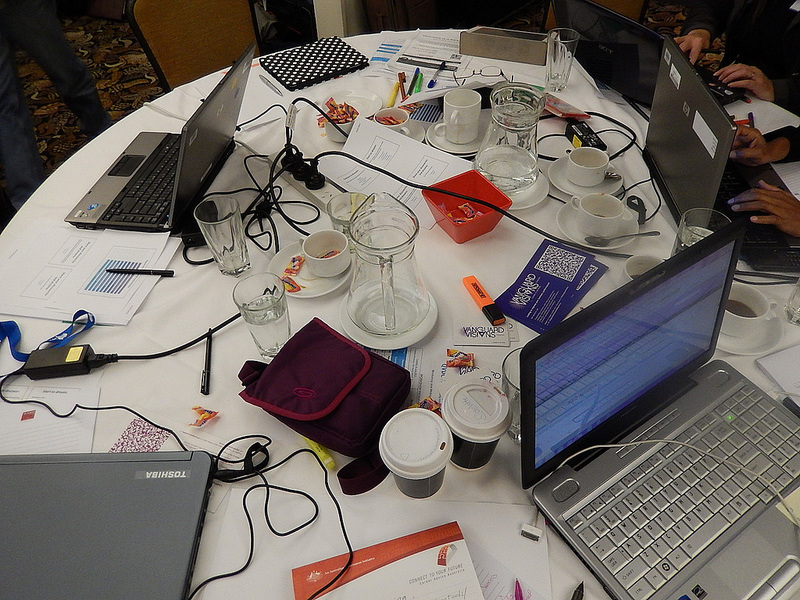
Your bedroom is a place for rest, to unwind, recharge and relax. Electromagnetic fields (EMFs) have been found to disrupt the natural energy flows in your body – affecting the nervous system and increasing stress. Insomnia, anxiety and depression have all ben linked to exposure to EMFs. Don’t compromise on this one. Leave your electronics out of the bedroom . . . period.
FOUR: Lighten things up
Especially areas such as your main entry hall – very important in Fen Shui as it is through the front door that your house gets its Chi ( a Chinese word meaning aliveness, life force, energy or life breath – also known as Prana). It is for this reason, by the way, that you shouldn’t have a mirror facing your front door as it pushes all that good energy right back out the front door. Mirrors not facing the door are good though as is plenty of natural light – or failing that lamps or overhead spotlights. And also remember to de-clutter to create clean inviting lines.
Ten of the Most Inspirational Movies You Will Ever Watch . . .
I stress these are movies that I like and rate. I tend to like movies that are more down to earth, less Hollywood and more relevant to the life I lead. I especially like movies based on real life, which celebrate the pursuit of a goal by real people in real situations.
For what they are worth – here are the movies I have walked out with a tingling sensation down my spine and a rekindled fire in my belly.
- Hotel Rwanda: The true story of a hotel manager who saved the lives of 1,200 people in 1994 when a million Tutsi tribe members were massacred by members of the Hutu tribe. Paul Rusesabagina isn’t your classic Hollywood hero, but he is a hero nevertheless. A mesmerising film which shows how a normal hotel manager can find the inner strength and courage to stand tall in what must have seemed an impossible situation.
- The Help: Set during the American civil rights movement of the 1960s a “society girl” Skeeter becomes a writer and decides to write about the black women taking care of prominent white families. Its incredible to think that attitudes like this existed at this time (I was born in the 60s). The courage of these women to come forward and tell their stories with humility and humour is what makes this movie amazing for me. I just loved it.
- Erin Brokovich: Regardless of the fact I have an absolute love of Julia Roberts, this movie is just brilliant. It’s the story of a tenacious young lawyer, struggling as a single mother, standing up for the rights of a community affected by pollution from a local power company. The movie is as much about the deep bonds forged between Erin and local families as getting the right result in the end. Almost made me want to become a lawyer . . .
- Schindlers List: There have been a lot of movies about selfless acts of heroism in the Second World War. But Schindlers List sits at the top of the pile for me. Oskar Schindler was a German businessman who saved the lives of more than a thousand Jewish refugees, during the horror of the Holocaust, by employing them in his factories. At the end of the movie we meet some of the real life descendants of the Jews on Schindler’s list – I don’t think there was a dry eye in the house.
- Intouchables: A movie about a growing friendship between wealthy businessman and quadriplegic Philippe and his carer Driss. Philippe has a lust for life, which must be the envy of most able-bodied people. Driss has a criminal record and doesn’t believe he can do the job of a carer, and it is his unconventional methods, which light up Phillip’s life. Both men help the other – and the ending is wonderful. When it was released in 2011 this film quickly became the second biggest box office hit ever in France.
- Ghandi: A movie about one remarkable man, Mohandas Karamchand Gandhi, the leader of India’s non-violence independence movement against British rule of India during the first part of the twentieth century. The campaign generated enough pressure on Britain to final grant Indian independence after World War 2. One great quote from the movie . . . “When I despair, I remember that all through history the way of truth and love has always won. There have been tyrants, and murderers, and for a time they can seem invincible, but in the end they always fall. Think of it. Always”.
- The Blind Side: This movie is about an incredible woman, Leigh Anne Tuohy, who invites a troubled teenager, Michael Oher, into her family home and eventually becomes Michael’s legal guardian. Leigh Anne helps Michael through college and eventually become an American football player. Sandra Bullock won the Academy Award for best actress in this film.
- Dead Poets Society: Robin Williams plays the role of John Keating who teaches at Welton Academy, an elite boarding school for boys. Keating uses unusual teaching methods to inspire the boys through poetry. He tells them to “make your lives extraordinary” and uses the Latin expression carpe diem – seize the day. The tragic death of a student prompts the school to fire Keating. However the amazing last scene demonstrates how those boys’ lives have been touched forever by this extraordinary man.
- Patch Adams: Another Robin Williams movie about a truly unconventional doctor who uses humour and compassion to car for patients. He turns an old cottage into a clinic, while still at medical school, and treats those without medical insurance to a cocktail of care and laughter. When the medical school finds out and tries to expel him he argues about the need to treat people’s “spirit” as well as the body. It all ends well of course.
- The First Grader: When free primary school education is announced by the Kenyan government, they couldn’t have imagined an 84 year old ex Mau Mau freedom fighter, Kimani Maruge, would turn up at his local school. The story becomes front-page news, prompting the Education Board to over rule the passionate school principal Jane Obinchu. She successfully however allows Maruge to return as her teaching assistant. A film about real courage and perseverance. Absolutely heart warming.
Six Minutes a Day to De-Stress and Relax

If I said all it took was ten minutes a day to de-stress and relax you would probably think this was yet another “get well quick” scheme requiring minimal effort and instant results. And I would have agreed with you . . . a few years ago.
I have a busy life. I am the breadwinner for the family. I work hard and I tend to fill my days with things to do. I hadn’t considered myself stressed, but then again I wasn’t an impartial observer watching me hurry from one thing to the other. So when my wife suggested we go to a meditation course together, to be honest the idea didn’t really light my candle.
The Medical Dictionary defines meditation as a practice of concentrated focus upon a sound, object, visualization, the breath, movement, or attention itself in order to increase awareness of the present moment, reduce stress, promote relaxation, and enhance personal and spiritual growth.
Meditation practice isn’t new. Its hard to know when it first started, but its more than hundreds of years ago. I think a lot of us associate meditation with robe-clad monks sitting on a hilltop chanting. So I was pleasantly surprised to find two completely normal looking guys greet us at our first meditation class.
Meditation is really about being present and clearing your thoughts. Some say its thinking about nothing. And that is not easy.
- The idea is to completely relax in a seated position that suits you. You don’t have to sit cross-legged on the floor – on a chair is fine.
- In our class we then were encouraged to imagine a river in a peaceful setting and when thoughts came into our mind to “throw” them into the river and let them wash away. Or to imagine a sky with clouds, each cloud being a thought which we could add to – and that the clouds would disperse leaving an expanse of blue . . .
- Next comes awareness of your breathing. In and out of the nose. Try it now – close your eyes for a few moments and just notice your breath. In an out – say for 10 times. It’s a clever way of focusing your thoughts on the present and taking them away from things in the past or jobs you have to do.
- Our instructors then encouraged us to focus on our heart and imagine a light – and that light becoming brighter when we breathed in and darker when we breathed out.
- And once you have the picture of the light in your chest, the idea then is to imagine that light spreading to the rest of your body, and then to the room you are in (you can go on and on until it becomes a whole universe light thing but I found that too hard to imagine).
- Then its reversing the process – bringing the light in from the room, to our body and then your heart. Starting to become aware again of the room you are in (its amazing how you can “forget” where you are during meditation) and finally opening your eyes and emerging back into the crazy, rough and tumble world we live in.
According to the Art of Living website the benefits of meditation are:
Physical:
-
- Lowers high blood pressure
- Lowers the levels of blood lactate, reducing anxiety attacks
- Decreases any tension-related pain, such as, tension headaches, ulcers, insomnia, muscle and joint problems
- Increases serotonin production that improves mood and behavior
- Improves the immune system
- Increases the energy level, as you gain an inner source of energy
Mental:
-
- Anxiety decreases
- Emotional stability improves
- Creativity increases
- Happiness increases
- Intuition develops
- Gain clarity and peace of mind
- Problems become smaller
- Meditation sharpens the mind by gaining focus and expands through relaxation
- A sharp mind without expansion causes tension, anger and frustration
I used to meditate to guided sessions which can be found anywhere on the web. Check out the Freemindfulness website. But now I put some super chilled music on or sometimes I just sit in the beautiful morning silence.
I can attest to becoming calmer, more grounded and generally a happier person through meditation. I do try to build six minutes a day to practice meditation. I find this manageable and there are very few excuses to miss a day (20 minutes can be a problem when you are rushing in the morning but never 6).

Seretonin and the Happiness Foods
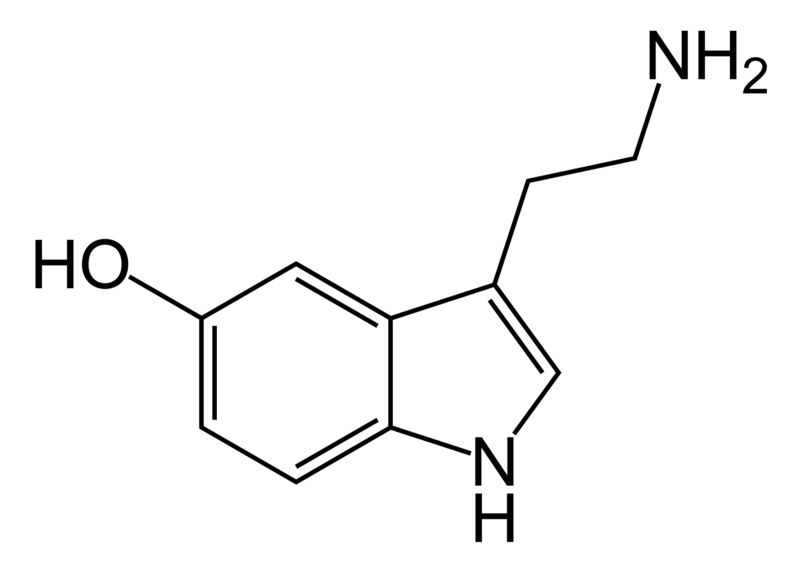
According to Wikipedia, Serotonin is a monoamine neurotransmitter. Biochemically derived from tryptophan, serotonin is primarily found in the gastrointestinal tract, blood platelets, and the central nervous system of animals, including humans.
Medical News Today is a bit more helpful and tells us that serotonin carries signals along and between nerves (that’s the “neurotransmitter” bit). It is responsible for maintaining mood balance, and that a deficit of serotonin leads to depression.
Antidepressants are one way of increasing the levels of serotonin in the brain. But there are other natural ways to either replace the use of antidepressants, or to help them work more effectively.
If there is one thing that the northern Scandinavian countries lack in winter, it is sunlight. Science Nordic has a great article about lack of sunlight and how to counteract the “winter blues”. Its reasonably well known that the body struggles to produce vitamin D without exposure to the sun. But the sun also activates light-sensitive nerve cells, which stimulates the production of serotonin. The answer is pretty simple – get more light in your life, particularly in the morning. Make the place where you have breakfast well lit – light on the walls and on the table, rather than soft lighting and candles . . .
There is also some evidence that exercise can boost serotonin levels. Check out the Livestrong website for a good article on exercise and its effect on serotonin.
But diet is the area I am personally attracted to at the moment. Healthline.com has a good article on foods that could boost your serotonin levels. But there is a catch . . . The article says its not Serotonin that is found in food, but tryptophan – and its not as simple as eating a high trypothan diet. Apparently the trypothan in your food has to compete with other amino acids to be absorbed into your brain.
So here goes, as recommended by Healthline:
• Eggs (but don’t leave out the yolks)
• Cheese
• Pineapples
• Tofu
• Salmon
• Nuts and seeds
The Plastic Bag Girls . . .
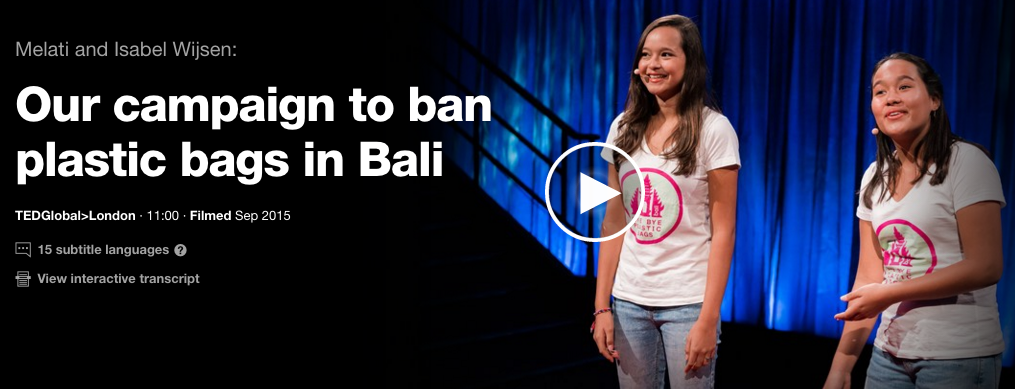
Today I listened to an inspirational TED talk.
Melati and Isabel Wijsen go to the Green School in Bali. I visited the adjoining Green Village only a couple of weeks ago and so I pricked up my ears. Anyway, one day these girls learned about significant people at school. People like Mother Theresa and Mahatma Gandhi. And on the way home the girls discussed why they couldn’t be significant right now. Why should they wait until they grew up?
Back to Melati and Isabel. These girls decided to tackle the major problem of plastic bags. They decided to go right to the top and talk to the Balinese Governor. But that didn’t happen right away. The girls, inspired by Mahatma Gandhi, decided to go on a hunger strike until the Governor would meet with them. They were visited by the police (which must have been pretty daunting to two young girls) but within a couple of days they got their audience and a sympathetic ear to their issue.
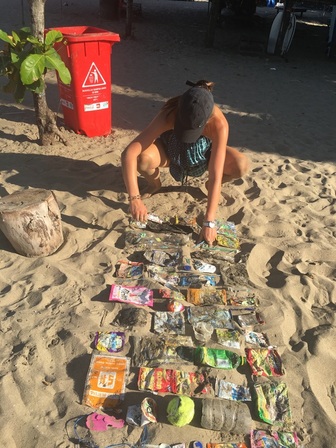
These girls were only 10 and 12 when they started. They said they had no business plan but one hell of a vision. They decided to harness the “boundless energy” of themselves and their friends and “act” the change they wanted to happen. How inspirational and brave is that!
Their campaign “Bye Bye Plastic Bags” is now recognised internationally as one of the most successful conservation movements around. And they now have a commitment from the Government that Bali will be plastic bag free by 2018.
I loved the way these girls talked and presented themselves on the TED video. You could see how much they were loving what they were doing and how proud they were of themselves and each other. I am truly inspired – plastic bags are now being phased out of our lives. And I think I have learned a lot about having the courage to simply do what is the right thing.
Bananas the Happy Food !!

You know how people say, “you are what you eat”. So I decided to do some reading on this topic and clicked on a great article about ripe bananas (of all things) from the “Power of Positivity” site.
I have always been attracted to bananas. I have always known they are a great energy food. They often get handed out at the end of endurance events and I have perked myself up many a time mid bike-ride.
But there is much more to the simple banana than I first thought.
The article starts with the proposition that . . . “Bananas are easily one of the healthiest, nutrient-packed foods on the planet, and contain more potassium than any other food.”
Apparently bananas contain a healthy amount of antioxidants as well as “Tumor Necrosis Factor” which is a cancer fighter. The more ripe the banana the higher the anti cancer properties. For people with depression, bananas also contain high levels of trypothan which then converts into seretonin – hence alleviating the symptoms of depression.
But that’s not all. Eating bananas:
Gives you more energy;
• Helps with weight loss;
• Are great for the brain;
• Help to balance your homones;
• Alleviate heartburn;
• Lower blood pressure and keep your blood healthy;
• Are great for your bones;
• Treat stomach ulcers;
• Can cure hangovers;
• Alleviate constipation; and
• Enhance memory
Another great article – “12 Foods Happy People Eat”. Bananas get a mention of course – but also blueberies, acai berries, greens, nuts and seeds etc.
Also check out Mind.org.uk website where they explore the relationship between what you eat and how you feel.
I agree – I know what foods make me feel bloated and tired (junk and highly processed food) and I know what food makes me feel lighter and more energised (yes bananas of course, but also things like sushi, fish and salads). If I am not sure about something I close my eyes and imagine how I will feel 20 minutes after eating something – your body will always give you the right answer!
Say Yes and it will all work out . . .

But this all changes when he meets a former classmate who talks him into participating in a self-help program led by the guru Terrence Bundley. The course is entitled (of course) “Yes Man”, the basic principle being to say “yes” to new situations.
The film is intentionally comedic, in that Carl ends up saying yes to absolutely everything, which results in him being placed in some situations which would scare the hell out of me. But the end result shows Carl with a completely changed attitude and living a great new life. And yes he gets a nice girl (this is Hollywood after all).
So I thought that this was something I would give a go. No I didn’t set out to say yes to absolutely every situation, but I definitely ended up saying yes much more often. I learned a lot about myself during this process.
I learned that things will work themselves out. And this is important because saying yes comes with risks (as opposed to saying no which is often risk-free). Tina Fey said “Say yes and you will figure it out afterwards”. What a great quote. And its true. My example comes from a recent project at work when we talked as a team about the demands we were getting from others in the organisation. The obvious solution was to say no more often, because after all this would involve less work and less risk. However the conversation turned itself round to focus on how we could better manage the outcomes of saying yes. And immediately the mood picked up. We talked about ourselves as a team people liked to deal with. A team that got things done. And a team that would have the confidence to work out how to deliver that which we had said yes to. I will never forget the buzz that conversation generated . . .
I also learned another important lesson. And that is, its OK to say no sometimes. Hang on, I hear you say. Isn’t this going against the grain of the story? Well not really because the more I have been saying yes to opportunities, the more confident I have become in saying no to stuff that I know in my heart isn’t right for me. My no has a confident ring about it because I have become better at saying yes. Trust me, its hard to put into words but you will get it when you become more of a yes person.
I have definitely become a happier and more confident person saying yes more often. I have learned to have faith in my ability to work things out. And when I need to say no, it’s a whole lot better feeling . . .
Mindfulness and the Single Raisin

There is certainly a lot going on and being talked about on the subject of mindfulness. I have to admit when I first heard the term it didn’t quite make sense. Like isn’t everyone “mindful” . . . on the basis we all have a mind? And so therefore isn’t this just some new fad based on something entirely obvious and everyday?
Wikipedia, in their dry but admittedly learned way, defines mindfulness as the intentional, accepting and non-judgemental focus of one’s attention on the emotions, thoughts and sensations occurring in the present moment.
And there you have it, in those last three Wikipedia generated words. “In the present moment”. That, to me, is what mindfulness is all about.
Here’s a question. What are you thinking about right now? Maybe something you have planned next, tomorrow, next week? Something someone said to you yesterday? A new item for the shopping list, or the lyrics of a song that is playing on the radio? Mindfulness says what you should actually be focusing in is the “right here, right now”. The words on the screen, their texture, their meaning, their flow and their effect on you . . . in other words, being in the present moment.
Dr. Jon Kabat-Zinn developed Mindfulness-Based Stress Reduction at the University of Massachusetts Medical Center for patients suffering from pain. He came up with an incredibly simple but effective exercise, which anyone can try to experience mindfulness. If you have five minutes right now, all you need is a raisin and a quiet space to sit.
The idea is that you place a raisin in your hand. The thing most of us would do next is to pop into our mouths and move onto the next thing. But no, not this time. Your job is to observe it. Just look and see the texture, the bumps, the colour, and the glossiness. Bring it to your nose and smell it. How does it feel in your hand? Now place it into your mouth and swirl it around. Can you feel the texture with your tongue? Chew just once, and observe the very first taste. Take your time and eventually chew some more before swallowing. Keep sitting and think about how your body feels with the raisin now ingested.
Well done. You have now experienced mindfulness. And now imagine what your life would be like if you employed this behaviour more often? At work when listening to a colleague, try experiencing observing their face, their lips, and their body movements. At home, sitting on the couch without turning the television or radio on. Just observe for five minutes. Listen to the sound of the world around you, the feel of the couch, the smells in the air and the cadence of your own breath.
My personal favourite is my mindfulness walk. The idea is that you are totally silent (and so if you have a walking partner you both need to abide by the rules!). Instead of taking steps to get somewhere, feel each step as you place your feet on the ground (bare feet is great if the weather and terrain permit). Look at the environment you pass. Each branch, each tree leaf, the clouds, grass or asphalt . . . Feel your breathing and empty your thoughts of everything expect where you are and what you are doing right now.
Mindfulness has had a major effect on my life. I feel more grounded, calmer and more aware of the world around me. I increasingly have a sense of accomplishing more meaningful and worthwhile things in my life. My sense of mindfulness doesn’t slow me down (which if I am honest is what I feared); instead it creates focus and direction.
So wherever you are or whatever your situation in life, I am wondering if you can commit to an act of mindfulness. Each day for a week. And then observe how you feel.
I am betting you will never look at a raisin the same way again . . .
Dear Future Me . . .
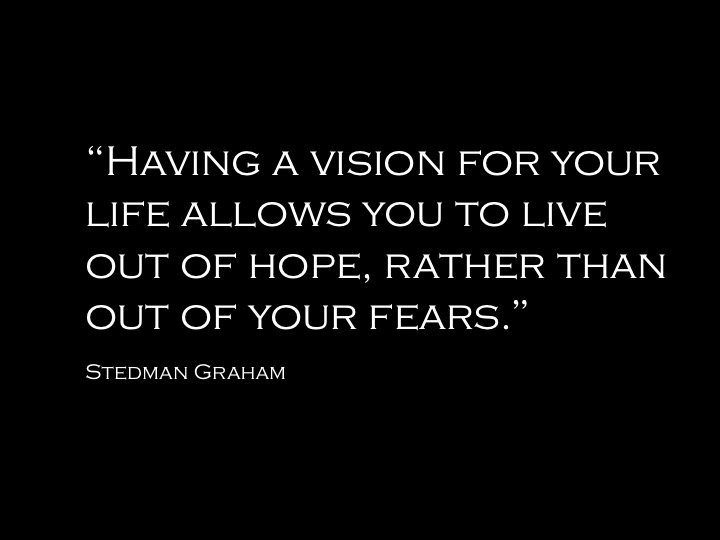
I have to admit, the term “mission statement” sounds reasonably dull. Like isn’t that what companies do, at the front of those glossy brochures which nobody reads? But bear with me . . . this gets pretty cool.
On the last afternoon of the course, we were let loose for two hours with a blank sheet of paper to write our own personal mission statements. For the first half hour (or maybe hour) I employed my usual bag of distraction tricks. I really did need to chew on that pen for a while. And what was that I needed to do when I got home that evening? However after giving myself a stern talking to, I put pen to paper, forgot about the world around me, and words started to flow.
And the result was absolutely amazing. I came home on a cloud that day because for the first time I had described me as the person I honestly wanted to be. I still carry that page around today. My life has moved on but the things I talked about are still relevant today. Things like being jumping out of bed each day full of ideas and enthusiasm, making work an extension of who I am (not the other way around), being best mates with my wife and mentor to my girls.
So now I have tantalisingly tempted you with how wonderful and liberating a mission statement is, allow me to provide you with some simple tips to develop one of your own.

First step: Identify your core values
Roy Disney said “Its not hard to make decisions when you know what your values are” . . . Your values define you as a person. They guide (often subconsciously) your actions and reactions, beliefs, outlook on life. We are all different and we all have values, which are individually important to us at different times in our life. Some might value honesty, others sustainability, perseverance, risk taking. The list is endless.
The object of this exercise is to identify those values that are absolutely fundamental in your life. I chose six. I arrived at that number by brainstorming a “long list” of values and separating those out between those that were “sort of” important to me, strongly important and those that I simply could not imagine living without.
Your core values are enduring. They may excite and uplift you. They will probably feel natural and you may well have felt them as a child (and still do). Beware transitory things that seem like values but often aren’t. If there is urgency attached or if you need it to get somewhere else, it may not be one of your core values.
Second step: Answer some blood pumping questions
This step is all about casting your mind free. You are in a place where nobody will judge you, where money isn’t an issue and where everything is possible. Answer some (or all) of the following questions . . .
- If money or location were irrelevant, what would your ultimate dream job be?
- You have just won a competition for an all expenses paid trip to anywhere in the world. One month. You get to choose. Where would you go?
- If you could join the Board and direct efforts of one charitable organisation, which one would you choose?
- Who do you most admire?
- What did you do in the last year that you were incredibly proud of?
- What would you do if you knew nobody would judge you?
- You have won $10 million. What is the first thing you would do?
- What did you want to be when you were growing up?
- You get the chance to train as a teacher. What would you teach?
- You have a month at a cottage in the mountains. No telephone, no internet, no neighbours, no shops. What would you do?
- Your friends are asked to say what they like about you in a confidential survey – what do you think they would say
- What made you smile today?
Third step: Identify your roles in lifeYou have roles in your life.
We all do. We are brothers or sisters, work colleagues, keepers of the house, sons, daughters, workers, bosses, club members, coaches, counsellors, friends . . . Our roles form the basis of our relationships in life. And therefore they are a useful focus point for defining your vision about the future person you really want to be.
Think about (and write down) the roles you have in life. Try to start with those that mean most to you. And, most importantly, don’t forget to include the role you have to look after yourself!
Fourth step: Completing your mission statement
There is no “correct” to develop your own mission statement. It should be personal to you and its up to you to write and present it in a way that will give you the absolute best possible chance of success.
My mission statement is based around my roles in life, which I then weave in the values that are important to me and some answers to those blood pumping questions.
So as an example, and taken word-for-word from that mission statement I wrote all those years ago: As a father I will give my daughters understanding and support, in order that they may grow up to become emotionally fulfilled young women. I will teach them that anything is possible in life. We will plan and do cool and original trips together every year. I will be their friend. Forever.
I could also have based my mission statement around my values. So for example: I will make it a priority always be honest in life. With those I love, with those I live with, with those I work with, with my boss and above all with my self . . .
Or I could have based it around answers to my blood pumping questions. So for example: Within the next five years I will start a business to bring some “good” into this world. I will stay true to my dreams of sustainability and the belief that everyone deserves to be happy in life. And that business will make me a better person, father and husband.

Live your life like its a holiday . . .
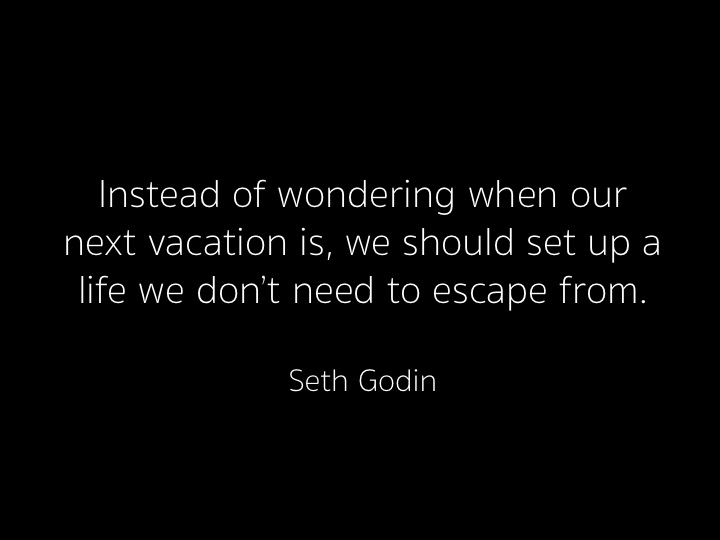
I have dreamed like this. Many times. I used to work fifty hours a week for forty-eight weeks a year in a job which was . . . well sort of OK. But it was all right because, hey I was off on holiday soon. Thirty-eight days and counting in fact. And tomorrow morning it would be thirty-seven and a half. We hay!
Nah. That’s not right. The quote at the top of this blog has it pretty well right and so its worth repeating.
Instead of wondering when our next vacation is, we should set up a life we don’t need to escape from: Seth Godin
Its so tempting to make excuses about the lives we lead. And taking holidays is the absolute ultimate in excuse making. And don’t get me wrong. Holidays are a really great thing but not when they create a mask over the life you are really leading.
Someone once said to me: think of what you really love doing and make it your job. Yes it is aspirational and yes I know it may not seem immediately practical. But just stop for a minute, close you eyes and dream. Dream of a life without constraints . . . where you have unlimited choice . . . where money doesn’t matter . . . and where nobody will judge you. What would you do? And now open you eyes and write down what you just thought of.
I was inspired earlier this week via a facebook message from a friend. This friend also had a dream, about starting a company focusing on positivity. He gave up his day job, worked and worked and worked, hooked up with partners, started a website and cold called company after company. Well anyway, the message earlier this week was prompted by three firm orders, all on the same day. The hard work had paid off, and more importantly the courageous leap from a safe job to doing something this friend really loved had come to fruition.
So what did you dream, and what did you write down? Is it really so impractical . . .????
What Would You Do if You Knew Nobody Would Judge You?
On day two of the course I had been sent on by work, we were let loose for two hours with a blank sheet of paper to write our own personal mission statements. And to help us we were given a list of questions – designed to inspire, excite and scare us a little. I haven’t got that original list, but here are some in that theme :
- If money or location were irrelevant – what would your ultimate dream job be?
- You have just won a competition for an all expenses paid trip to anywhere in the world – 1 month – you get to choose – where would you go?
- If you could join the Board and direct efforts of one charitable organisation, which one would you choose?
- Who do you most admire?
- What did you do in the last year that you were incredibly proud of?
- What would you do if you knew nobody would judge you?
- You have won $10 million. What is the first thing you would do?
- What did you want to be when you were growing up?
- You get the chance to train as a teacher – what would you teach?
- You have a month at a cottage in the mountains – no telephone, no internet, no neighbours, no shops – what would you do?
- Your friends are asked to say what they like about you in a confidential survey – what do you think they would say
- What made you smile today?
There was the usual pen chewing and distractions to deal with of course, and then I attempted the first question . . . and then the second . . . and then there was no stopping me. And I realized a common theme was emerging – what I wanted my life to look like if I had the courage to get over my fears.
And the result was amazing. I came home on a cloud that day because for the first time I had described me as the person I honestly wanted to be. I felt happy just thinking about it.
I still carry that page around today. I looked at it last week. My life has moved on but the things I talked about are still relevant today. I like to think I have taken some risks in life and done some stuff which has inspired me but still scares me. Like starting this website for instance.
Take some time today, or even right now. Answer some of the questions – instinctively and honestly. And start to dream. Because we only have one shot at this big, bold and beautiful time on earth we have been given.
Dare to live a life that scares you a little!
Raising emotionally intelligent kids (and companies) with appreciative inquiry . . .

The simple part is that appreciative inquiry is all about positivity. Focusing on what your organisation is doing right and then building on these strengths. Sounds sensible and logical?
OK then, but here comes the slightly scary bit. With appreciative enquiry, the “problems” in your organisation are effectively ignored – the principle being that if you do more of the things you are good at, the problems will sort themselves out. Put another way, appreciative inquiry suggests that you can create change by paying attention to what you want rather than paying attention to problems.
People find this part a little scary because we are used to solving problems. We like to fix things. So the concept of not focusing on problems may put some of us out of our comfort zone.
A great example of appreciative inquiry comes in the context of staff culture surveys. You know – the kind that ask you how much you like your working environment, how much you rate your managers and colleagues, whether you understand your organisation’s mission, how well managers communicate with staff etc. In most places I have worked, teams generally then get set up to “solve” the top ranking “concerns” from survey results. They huddle, work out an approach, implement a set of actions and report back to staff. Commendable and well meaning.
But appreciative inquiry turns that thinking on its head and says – instead of focusing on problems you should focus on thetop ranking survey outcomes. So for instance if staff like the monthly “all hands” meeting with the CEO, think about how you can do that even better. Or if the way the organisation communicates with its customers is admired, think about how you can improve that another notch.
The research seems to point strongly to suggest those organisations with a positive culture focused on building on their strengths outperform those with a more traditional “fix the problems” approach. I’m not sure anyone needed to do that research – doesn’t that sound intuitively right?
We can use the concept of appreciative inquiry in our personal lives. My example is my daughter’s school reports. If you are like me, you will know how tempting it is to head straight for the areas where they have been marked lower, or where the comments are less positive. Your eyes almost get hijacked.
So I have made it a rule, every time, to first look at and talk about the areas where they have done well. I spend 80 to 90% of my time talking about these areas with them.
And the interesting thing is that you actually achieve a whole lot more with this approach. Not only do they love you for putting there good marks first, but the conversation at the end on the more difficult stuff becomes so much easier. By talking first about what they had done well I was amazed at how forthcoming they became about what they hadn’t.
So out of the mouths of babes – to multi national corporations. The principle is the same. Focus on what you do well and do more of it. It will get you further in life, and its a whole lot more fun . . .
Oompher!
I recently came across a site called Oompher (www.oompher.com) – which of course comes from word “oomph” meaning energy, vitality or enthusiasm.

But perhaps the real story is the person behind Oompher – a 19 year old called Jake Millar from Greymouth. Jake’s father was tragically killed in a plane crash on the Fox Glacier (in New Zealand’s Southern Alps). Jake is quoted as saying “My dad’s death really brought home the fact that you can be living life to the full one minute, then gone the next – so there’s no use wasting time on things you don’t absolutely love.”
Wow that’s pretty inspiring. We often hear of people in life who do amazing things following something traumatic such as a near death experience – and voice similar reasons for achieving what they do.
The site has been in the news recently as Jake has sold the business to Careers New Zealand, part of the New Zealand Government. I say this is a smart move from the Government as this market is a traditionally tough nut to crack. A site produced for young people by one of their peers must have a greater than even chance of success.
Young people coming out of school often lack someone, with whom they can relate, to provide advice and guidance on what to do next. The figures for first year drop-outs from university or technical college are still high. And how many of us can trace our lives and careers back to decisions we made when we left school? Its an important time for young people – and worthy of serious and considered investment by Governments everywhere.
For someone so young, what Jake has achieved is extraordinary. Not many nineteen year olds would have the courage and vision to cold call a business leader and successfully talk them into making a video. And so the quality and quantity of excellent videos on the site is a testament to this young man.
I suspect his father would have been pretty proud . . .
Ten of the Most Inspirational Books You Will Ever Read . . .
I stress these are books that I like and rate. I tend to like books that are more down to earth, less theory and more “do”. I especially like real life stories and autobiographies – which celebrate the pursuit of happiness by real people in real situations. Simple language, simple themes, simple to read . . . all a must for me.
For what they are worth – here they are:
-
- Be Brilliant Everyday: by Andy Cope & Andy Whittaker. A great read – and one of my motivators in life. The book is written simply and uses humour to get points across – and hence an incredibly easy and enjoyable read. One of the key themes I liked – the book isn’t about changing who you are but more about bringing out the person you already are when you’re at your brilliant best. “Because that’s what the world needs. Too many people are conforming to what they think the world needs whereas the reality is what the world needs is simply the awesome version of you.”
- Eat, Pray, Love: by Elizabeth Gilbert. Probably better known for the Julia Roberts movie, the book tells the story of the author’s decision to leave the modern trappings of life in America to find what she really wants out of life. Loved it . . .
- The 7 Habits of Highly Effective People: by Stephen Covey. I actually went on a 7 habits course first and then read the book. Its like one of those aha moments when you realise that everything is possible with a bit of focus, discipline and, of course, adopting the right habits. I wrote my first mission statement after reading this excellent book.
- Losing my Virginity: by Richard Branson. Inspiring and motivating – a story of one man’s drive to break down mediocrity and to seek and do what made him happy. To me, the lessons learned were not so much about business success, but more the attitude of giving stuff a go – wholeheartedly, without fear and with a whole lot of fun.
- The Secret: by Rhonda Byrne. This book wasn’t so much life changing for me – more affirming what I hope I already believe and practice. Thoughts become things – or put another way, what you think and believe has an uncanny habit of turning out to be true. Simple but very very powerful.
- Who Moved My Cheese: by Spencer Johnson. A must for anyone going through change in their personal or professional lives. An inspirational book which brings out the positivity of change – change always happens and you can make it work with the right frame of mind. Simple to read – you will be done in a couple of hours. My favourite quote – “What would you do if you weren’t afraid?”
- Freedom in Exile: The Autobiography of the Dalai Lama: by Dalai Lama XIV: An absolutely incredible insight into Tibet and the life of the Dalai Lama. If you want to know what humility and compassion are really about – read this book.
- Blink: The Power of Thinking Without Thinking: by Malcolm Gladwell. This book is about trusting your intuition – the feeling you get when you first experience, see or feel something. More often than not you will be proved absolutely right. I liked the story about the antiquities expert who spotted a fake (which had been purchased by a museum on the back of exhaustive analysis) in an instant. I use the concepts in this book in my everyday life. If it “smells” right, do it!
- The Artist’s Way: A Spiritual Path to Higher Creativity: by Julia Cameron. This one is about opening up your creativity. The reader is taken through a series of programmed exercises which, if you do it by the book, will take 12 weeks. Its written for artists but can be applied to anyone, so don’t be put off by the title. I absolutely loved the daily writing each morning.
- Fathers Raising Daughters: by Nigel Latta. A fabulous book for Dads with daughters – written simply, honestly and with a great deal of common sense. I laughed out loud in the first chapter and couldn’t put it down after that. This book helped me understand why teenage girls act like they do – and hopefully has led me to be a happier, better father. Also by Nigel Latta – Mothers Raising Sons (I haven’t read it but has great reviews).
My Best Dad Ever Project . . .
But somehow, the stresses of navigating my way through an increasingly busy world as two further children arrived, meant that I lost sight of the goal. I didn’t ever decide it should be moved down the list of priorities, it just sort of got consumed and crowded out by all the other things that were going on – managing work and chores and kids sports and TV and friends and DIY and homework and a million other things that just chew up my time. And then all of a sudden, my first-born daughter is nearly a teenager with two younger sisters and a Dad is just getting by rather than making the most of every very precious moment.
Then I caught myself getting angry and telling off my youngest daughter when she chose to do something fun rather than something I’d told her to do. So later when I was lying awake in bed feeling frustrated and disappointed in myself for over-reacting and making my beautiful, happy little girl all sad, I knew I could do much, much better. It was time to examine what was going on and what had happened to my drive to be the best dad to my kids. And most importantly, what was I going to do to do to get back on track.
Time to lift my game.

-
- Doing stuff that makes them happy. I’m not talking about buying presents or stuffing them with sweets, I’m talking about little things like having a tickle fight with my youngest daughter or shooting hoops or reading stories.
- Just spending time – going on walks, practicing sport, lying on their bed after lights out while they talk about whatever’s on their mind.
- Listening – stopping what I am doing to hear whatever it is that they are bursting to tell me when they get home from school. I mean really listening and engaging in their conversation about what is important to them.
- Praising them genuinely and being an honest (but gentle) critic when I can help them to improve.
- Considering little requests before responding. A short ride on my shoulders is a small inconvenience for the amount of pleasure it can bring.
- Being Mr Reasonable when we don’t agree – by not raising my voice to win an argument with my volume or size, not reacting to faces and mimicking and never belittling them or being mean-spirited.
But this is not just an idea. I made it real by sharing my goal with my family and I writing down what I am going to do differently. This commitment means I can easily measure myself against my ideals and hold myself to account if I don’t measure up.
It is so easy to let aspects of our lives get into cruise mode – work, sport, money, relationships – but it is only when we step back and take an honest and critical look at where we are cruising to that we can decide whether we are on the right course – or not. If not, it’s time to switch off the autopilot, clearly define where we want to be and make a real and achievable plan – how to get to the destination we choose.
For me it was the stopping, and taking stock of how a critically important aspect of my life was not living up to my expectations, that opened my eyes to how things could be better. But it was also the realisation that if I wanted things to improve, it was up to me to make the change.
Fearlessly Following Your Intuition . . .
I read a great piece on Facebook the other day. Entitled “10 Courageous Ways to Live Life Without Regrets” Google it – its great. Anyway one of the “10 ways” really resonated with me, and that is about following your intuition. Fearlessly.
Not so long I ago I was a General Manager at one of New Zealand’s Government Agencies. Apparently I had made it. I had aspired to be a General Manager for a number of years and now here I was – people reporting to me, a few million in the annual budget under my watch, great team, decent salary, leading national programmes.
All sounding good? Well not really. Because I didn’t FEEL it. My usual sniff test is pretty reliable, that being to run a quick scan the very moment I opened my eyes in bed in the morning. How do I feel? A sense of tingling satisfaction, stretching with energy, a mindful and still sense of well-being, jumping-out-bed-raring-to-go . . . ? No – none of these, well anyway not nearly enough.
I felt, at my very core, this just wasn’t me. The culture of the place was far away from that which I had always aspired to, I felt responsible for keeping people happy (as opposed to being in an environment where they could easily do that themselves). I felt disengaged and slightly powerless to make a difference. And, to be honest, I think my intuition had told me this at the time I made the decision to join the organisation.
So I was faced with a choice. Start slowly to look around for another opportunity, similar role and pay . . . OR go out contracting. Going back to making things happen. Building stuff, getting my hands dirty, building culture within a project environment, short and sharp and meaningful.
The problem was, to do the latter I would need to resign with nothing to go to. Contract work relies on people being available at short notice. It often comes up, particularly change management projects, when things aren’t going to plan and the business needs to quickly turn stuff around. If you need to arrange a few weeks notice with your employer, you can forget about it. I also had a mortgage (still do) and responsibilities as the bread winner of the family.
To cut a long story short, I woke up one morning and scanned my body a different way. I asked myself – is this the right thing for me? I went into work, handed in my notice and communicated my decision to the team. Hardest thing to do. I cried a bit that day. But that decision was also one of the best I have ever made. I went from being unhappy and powerless one day to feeling energised and powerful the next. I had done what, to many, might seem foolhardy, but to me seemed absolutely 100% right.
Three years later, i am leading my second major change programme in the public sector. I have met and worked with some amazing people, had the privileged opportunity to change culture from within, achieved some stuff people thought couldn’t be done. And had a pretty darn good time. Oh and I have earned more money than my GM days – thats worth mentioning but not as important to me as the other stuff I mentioned earlier.
So I guess I followed my intuition three years ago. I am not sure about the “fearlessly” bit, but it certainly wasn’t without some trepidation on my part. I listened to me soul and did what I felt was the right thing. And it all worked out.
And it always will . . . .
The Secret of Eternal Youth – Ride a Bicycle . . .
I posted an article about the health benefits of biking onto my facebook page recently.
Apparently scientists assessed the functions of more than 120 regular cyclists aged between 55 and 79 and failed to find any of the obvious signs of ageing that they would normally observe among people of the same age.
I had forgotten about the article when I accepted an invitation to join a friend to cycle the Mangaparua track – which for those of you who don’t know, is a 38km stunningly beautiful ride which ends at the famous Bridge to Nowhere. This bridge, as an aside, was built at a time when expectations were high about settlement in this area close to the Wanganui River. Needless to say town planning wasn’t what is is now – and the bridge has ended up in . . . well, the middle of nowhere.
Anyway, I asked my daughter to come along and before we knew it our group had climbed to five. We took our time, had a number of rest stops, and basically had an absolutely magnificent day. The riding was reasonably tough – not so much the uphill bits which were pretty gentle, but more the downhill sections which were fairly rutted from previous rain and activity.
I came off once . . . Ok I came off three times, one of which resulted in a bit of blood. But my feeling at the time was one of pure enjoyment. The physicality of the riding, the comradeship, being with my daughter – all combined to make this a wonderful day. I have a slight muscle ache now – but if anything its bringing back those moments of joy in the middle of the bush in this beautiful country.
I think I am a person that suits harder physical exercise. I felt uplifted, confident and calm as I drove back to Wellington. We visited a few towns on the way back down and I bought a very cool Balinese style chair – something I wouldn’t normally have done on the spur of the moment.
I think those scientists are on the mark . . .
Being Grateful that Roses Have Thorns . . .
I really like this quote.
It says to me we have choices in life. We can call a cup half full or half empty. We experience a rainy day and feel down that its wet or uplifted at the thought of being snug and cosy inside. We can see a person’s bad points or their good ones . . .
Positivity is a choice we all have. And we have the power to make that choice many times each day.
There have been countless studies on the health effects of positive thinking. Basically, if you are an optimistic person, you are more likely to have greater resistance to things like the common cold, reduced risk of death from heart attack, better ability to deal with stress and depression and . . . . YOU ARE LIKELY TO LIVE LONGER!! How cool is that?
I deal with change management in my job. And if there is anything more likely to cause stress in the workplace than change, then I would like to know what it is.
My simple objective when coming into a new change process is to think and act positively.
It will work.
Things will improve.
This is going to be fantastic.
Its going to be great . . .
A recent experience in one company I helped involved some fairly unhappy and fed up people. They felt alienated from the change process and I suspect were secretly looking forward to the day when the whole initiative failed. So my tactic from day one was to talk about how things would be better. About the benefits of what was coming. How the industry they worked in would be safer. And most importantly that the change WOULD work and it would work well.
It was wonderful to see the whole place become more positive over the next few months. People who had been detractors became fierce champions. There was an increased sense of ownership by the business. And ultimately – the change did take place – and it all worked – really well.
So today, when you are faced with some thorns – turn those around into roses, and see how you feel as a result . . .
Life is Not a Rehearsal for Living . . .
“Wherever you are be all there”
Jim Elliot
Years ago, when I was at university, I had a holiday job on a farm in Otago. One of my enduring memories was a fridge magnet which said “Life is Not a Rehearsal for Living”. Its funny how something which resonates with you comes back again and again.
OK so I haven’t read the Power of Now but I have heard of Eckhart Tolle and like what he has to say. The concept of living in the moment, is on the face of it, complete common sense. Being present and savouring what you are doing and feeling right now is surely a good thing? But if you are anything like me you just can’t help thinking about something else. Distractions are usually what gets me . . . something on the radio in the background, a ding on my mobile, a thought about what I have to do that afternoon – or tomorrow – or anytime.
Letting go of worries about the future is one of the things I always need to be mindful of. I am a bread winner in my family and I think of myself as a supporter for others. I draw a certain strength from the fact that I care for and look after people – my family, My friends, people at work. And so I feel responsible and therefore look to the future all the time to think about what’s coming up . . . what do I need to accomplish . . . ?
Meditation has been great for me. I did a course on meditation some time ago and loved it. I feel calm, relaxed and centred when I meditate. Meditation is all about letting your thoughts go and just being. You acknowledge your thoughts (ignoring them just doesn’t work) and let them go like clouds drifting off into the sky . . . or like eddies in a stream. You focus on your breath and after a while you fall into this deep sense of relaxation. Its powerful.
Living a busy life and being in the now is always going to be a challenge for me. My eldest daughter, one of my mentors in life, is particularly good at being present. So I am going to take steps to be more present, more centred and more in the now.
The Art of Saying Nice Things . . .
Not so long ago I took a contract assignment helping a company move from one system to another. It was quite a change. The current system wasn’t working terribly well. A series of work arounds had been developed, which inevitably relied on a few highly technical and capable people knowing from experience what to do.
OK so you think a new system would have been welcomed right? Well not really. Not when you dived deep into the workings of the business and talked to people on the ground. Those who had to interact and deal with real customers either face-to-face or by phone were disengaged with the upcoming new system. They felt left out of the process and, in some cases, were outright negative. Perversely some I suspect were hoping it all turned to custard.
” We think what we become.” Buddha
Looking back on it I think one of the most important roles I made for myself was to just be positive. I said over and over again “it will work and it will be great”. And I didn’t just say it, I truely believed that was the case. Helped by a video I had seen called “The Secret” (maybe a future blog on this) I thought of nothing else but the new system working and working well.
And so things changed. Not overnight but slowly and surely. Negativity became less common place. The buzz of activity, discussion and planning increased as staff turned from being largely disinterested to getting actively involved. And you know what . . . ? It was a whole lot of fun. And yes the system worked.
I actively seek to make the first thing I think or say something nice. Its so much more fun and rewarding – and it makes whoever you are talking to feel good about themselves. Some may say that you risk being overly positive which in turn may exacerbate problems that otherwise could be dealt with straight away. I just don’t buy that argument. We have choices – we can fix (or eliminate) what’s wrong or we can encourage (or grow) what’s right. And the latter surely is a happier place for us all to end up . . .
I invite you to stop and think before you open your mouth to anyone today – and come out with something nice as the first thing you say.
Kissing The Earth With Your Feet . . .
“The most precious gift we can offer anyone is our attention. When mindfulness embraces those we love, they will bloom like flowers.”
Someone called Thich Nhat Hanh said this and i think its pretty cool.
Mindfulness is very “in” at the moment. There are quotes and articles everywhere. There was even an piece in the newspaper about a school somewhere in New Zealand that is modelling its curriculum on mindfulness.
Like anything, concepts like mindfulness can get hijacked. Learned people provide their own opinions and somehow what is actually a jolly simple and straight forward concept ends up being a spiritual buzzword. So what is mindfulness?
“Walk as if you are kissing the Earth with your feet.”
Taking Time Out . . .
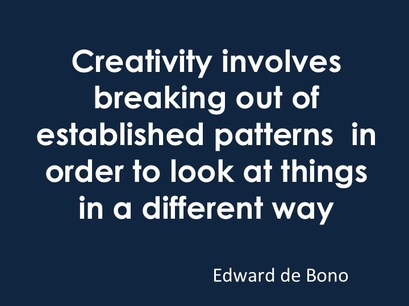
Some time ago I read a book by Jamie McIntyre. Jamie is this slightly annoying Australian self help guru – a sort of Antipodean Tony Robbins if you can imagine that.
Anyway after that somewhat derisory introduction, a lot of what this guy said made sense – about living life, opportunities, happiness and money. But there was one particular thing that stood out and has stayed with me ever since. And that is about taking regular time out.
Believe it or not, Jamie takes a week out every month to reflect on stuff. Well that was at the time of writing his book. His ethos is that this helps him grow, both spiritually and financially. By taking regular time off he can evaluate where he is going in life and therefore help to keep him on track to achieve his goals.
I’ not sure whether this is an extreme example. But I love the philosophy. Years ago I planned a time out weekend. Just for me. Off I went to stay in a country cottage about an hour from where I live. I developed a strict regimen of thinking, exercising, planning my life. meditation etc etc. And I absolutely adored it. I came back on a high. My mission statement was refreshed (refer to earlier post) and I had developed a plan of action for the next few weeks. I felt centred and calm. And I vowed to make this a regular event.
Well rather than chastise myself for not following through with my vow, instead I am already planning my next time out event. Just for me. To reflect, think, dream and plan. I like what Edward de Bono says about needing to break out of established patterns to fuel our creativity. It only requires a determination and will to make it happen.
Just Doing Those Big Rocks . . .
I am a procastinator. Thats feels good actually. I am being honest – its a bit like saying I am an alcoholic – its liberating to be upfront and say what I want to without fear of what people may think. Who knows who may read this blog – and if you are reading this right now, I suspect you aren’t the person to be judgmental. I think you may ask yourself the same question about procrastination . . .?
Have you ever heard of the big rocks small stones theory . . . ? Well it goes like this. You have a bucket – and beside the bucket you have a pile of rocks, a pile of pebbles, a pot of sand and jug of water. Your aim is to get all of them into the bucket. So how do you do that? Well the short answer is that you do it by putting the rocks in first, then the pebbles which mould themselves into the gaps the rocks leave, then the sand and then the water.
Its an imitation of life – and its basically saying that you need to figure out and do your big rocks first – not last.
Well I am the master at doing the sand and the pebbles first. I know jolly well what my big rocks are, but I just cant help putting things like doing the washing, watering the garden, tidying and other pebble/sand like things in front of doing the big things which I know have meaning.

This Nike logo is wonderful. Its so simple and so powerful. Its not wordy or overly clever – and you can apply it anytime, anywhere and in any situation.
For me its about not putting things off anymore. Not waiting till things get easier, or more convenient – not waiting till the sun shines or until I am feeling “in the mood”.
I am starting to “just do it” by starting this website and writing this blog. Because this is my big rock. And I feel great just sitting here typing.
Ten Questions . . .
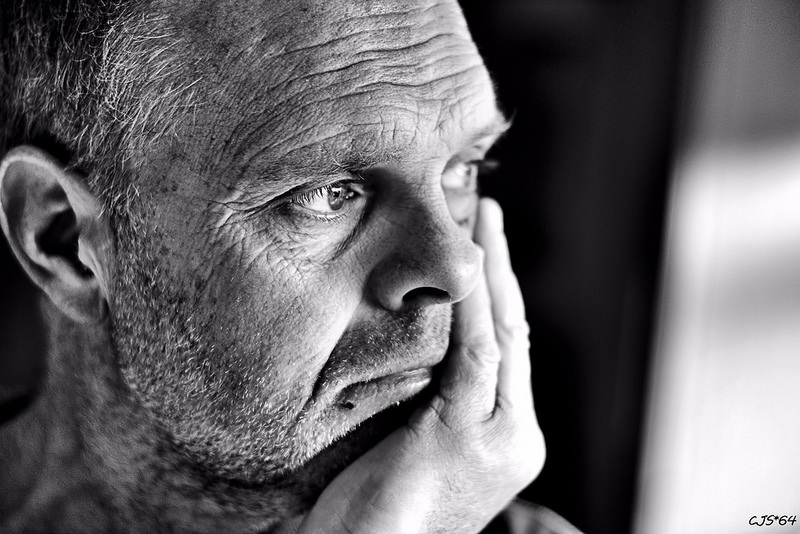
This post is a about observing yourself. That’s all. Just observing. When I went to a life coach a number of years ago this is what he advised I do from day one. Well that didn’t seem very powerful. What was I going to get out of that? I wanted action. Lists and exercises and things that I could act on right away.
But the act of self-observation was one of best things I ever did. What worked for me was to imagine myself hovering above myself and just looking and noting. The point was not to act or correct, but to simply view myself dispassionately as I went about my daily life.
In some cases I felt pretty good about what I saw. I liked how I reacted to some things. In other cases I felt not so good – almost ashamed. Until then I had no real idea how was acting and behaving – mostly out of the spotlight of others and in my own private moments I saw myself becoming frequently frustrated. I would have thoughts and act in ways I would shudder to witness or contemplate in others.
It was a breath of fresh air – like seeing myself for the first time in the raw. No pretending or acting. And did it help me? Yes absolutely. I am better at observing myself more often and “catching” myself when I slip into behavior I don’t like. Like the other day for instance I was driving to work and becoming impatient with slower drivers (I have always been like this if I am honest). But I was able to observe and stop my behavior by asking myself some pretty basic questions.
My life coach gave me a wallet card with ten questions to ask myself when faced with a decision or knowing how to react to something. I later found out (actually when writing this blog) that they come from a lady called Debbie Ford who said “These questions supply you with the wisdom you need to make what was previously unconscious, conscious, so that you can choose with all the power that comes from being fully aware.”
Here they are:
1. Will this choice propel me toward an inspiring future or will it keep me stuck in the past?
2. Will this choice bring me long-term fulfillment or will it bring me short-term gratification?
3. Am I standing in my power or am I trying to please another?
4. Am I looking for what’s right or am I looking for what’s wrong?
5. Will this choice add to my life force or will it rob me of my energy?
6. Will I use this situation as a catalyst to grow and evolve or will I use it to beat myself up?
7. Does this choice empower me or does it disempower me?
8. Is this an act of self-love or is it an act of self-sabotage?
9. Is this an act of faith or is it an act of fear?
10. Am I choosing from my divinity or am I choosing from my humanity?
Am I Happy?

I think I am happy. Well aren’t I?
I have money. I have a nice house and live in a seaside suburb. I have daughters and a wife – they are healthy, intelligent and successful. I have a good job – people say i am good at what I do and earn good money. People seem to like me and say I am a good person.
So if I am happy, how come:
- I sigh a lot
- I frequently get frustrated
- I don’t whole heartedly enjoy the success of others and secretly think their success is either lucky, not deserved or transitory
- I espouse giving but don’t do much of it
- I fill my life with jobs which give me a sense of short term achievement
- I save money when I have lots of it
- I am lonely
So I have set myself a goal of starting this website and blogging about stuff that inspires me – like happiness. Not the usual trite consultant speak about what happiness is – but getting real about how I can turn my life around. And live a life that makes me jump out of bed each morning..
Wow – thats wasn’t so hard was it? Blog one over and out.